The Most Common Driving Mistakes (and How to Avoid Them)
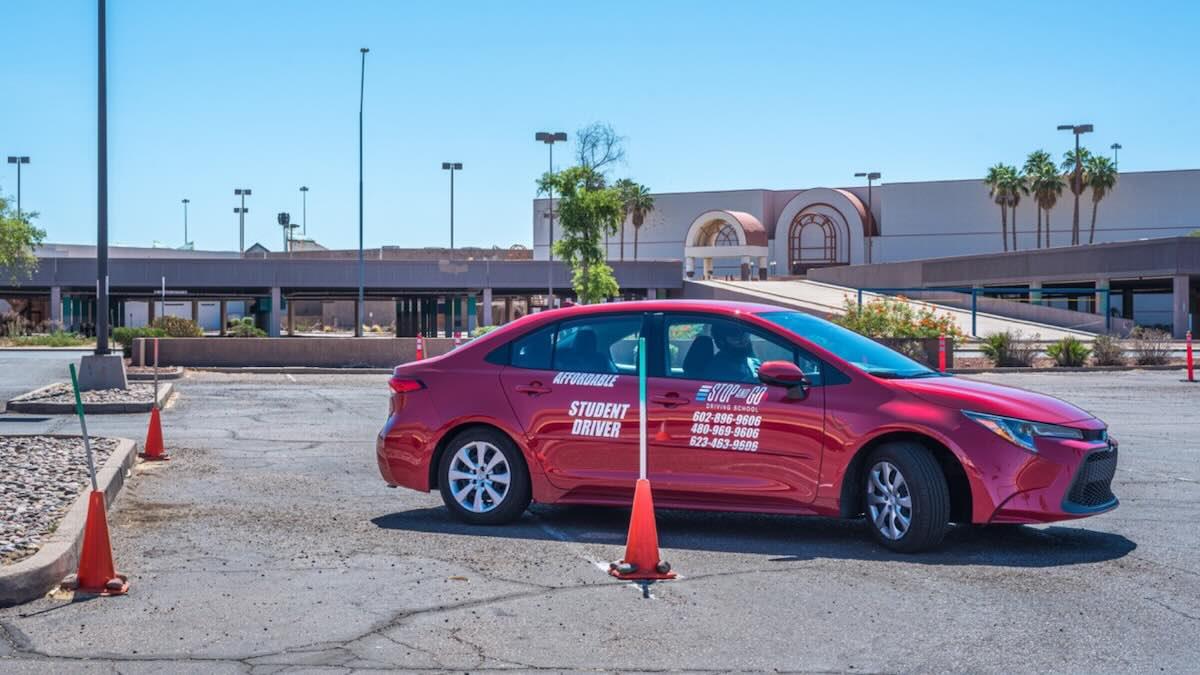
Learning to drive is a rite of passage. The freedom of being behind the wheel, the independence of heading out on your own, it’s all very exciting. But with that freedom comes responsibility. At Stop and Go Driving School, we've seen the same mistakes crop up time and again in the 29 years we've been serving our community. Some are universal, while others are especially common here in Arizona.
The good news? Every mistake is a chance to learn, and with the right driver's education, you can turn those slip-ups into strong habits that keep you safe for life.
General Driving Mistakes All Drivers Should Watch For
Rolling Through Stop Signs and Traffic Lights
It’s one of the oldest mistakes in the book: slowing down but not fully stopping at a stop sign. This “California stop” might feel harmless, but it’s a common cause of accidents, especially at busy intersections where pedestrians and cyclists share the road. Arizona law is strict on complete stops, and failing to obey can lead to a traffic ticket or worse, a collision.

How to avoid it: Always bring your vehicle to a complete stop, with the steering wheel steady and your eyes scanning left, right, and straight ahead before proceeding.
Ignoring Speed Limits
Arizona’s desert highways can feel like they’re daring you to push the speedometer past the limit. But higher speed means longer braking distance and less time to react when a truck merges late or a motorcycle pops out of your blind spot. Speeding doesn’t save as much time as you think; it only piles on risk.
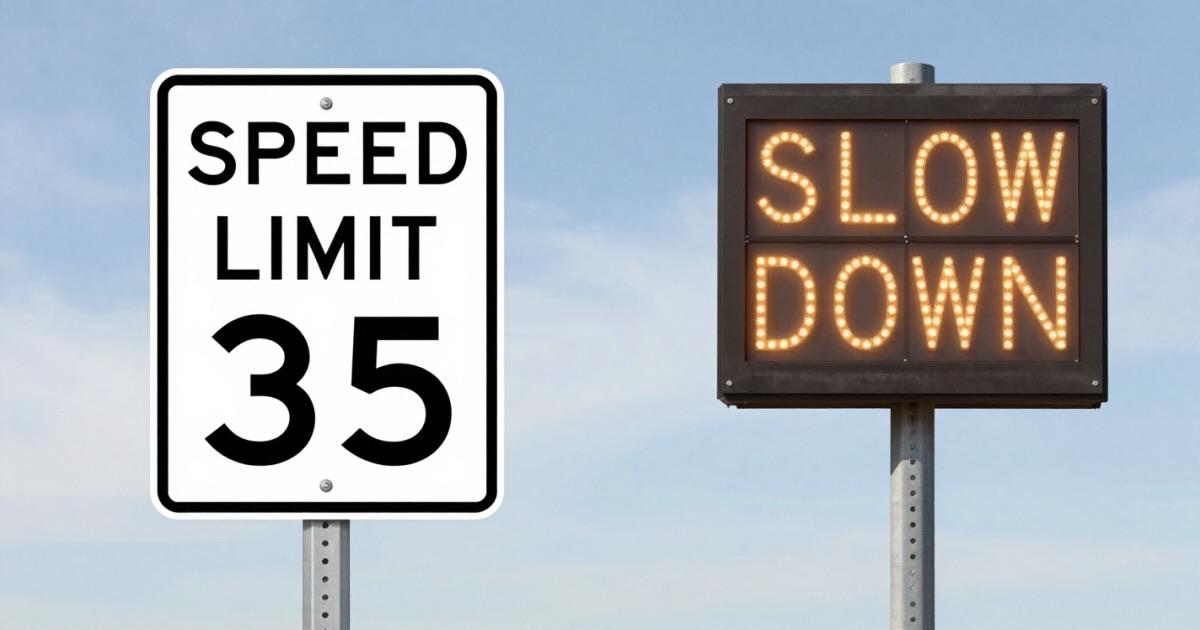
How to avoid it: Follow posted road signs and adjust your speed for conditions like rain, heavy traffic flow, or construction. If you feel rushed, leave earlier. Arriving safely is always better than arriving quickly.
Tailgating (Not Leaving Enough Space)
We get it. Slow drivers can test anyone’s patience. But following too closely (aka tailgating) is a recipe for rear-end accidents. On the highway, this mistake can even lead to chain-reaction accidents involving multiple vehicles.
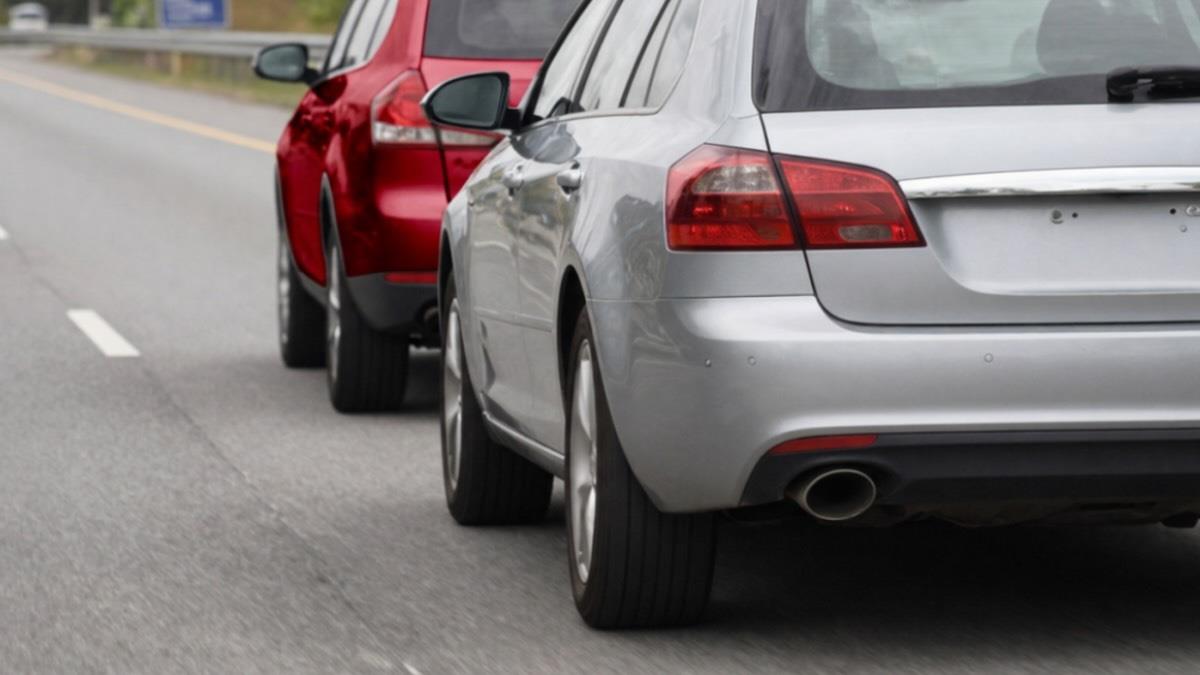
How to avoid it: Keep at least three seconds of space between you and the car ahead, even more if you’re driving a larger vehicle, following a truck, or experiencing poor visibility.
Engaging in Distracted Driving
From checking a text to fiddling with cruise control, distractions are everywhere. But when your attention shifts for even a few seconds, you’re essentially driving blind. According to the National Highway Traffic Safety Administration, 13% of all reported crashes in 2023 were distraction-affected. Distractions aren’t always physical, either. Stress or poor mental health can pull your focus away from the road just as easily as a buzzing phone.
How to avoid it: Eliminate distractions before you hit the road. Set your GPS, adjust your mirror, and silence your phone. And if you’re stressed or upset, take a few minutes to reset your mindset before driving. A calmer head means better decisions behind the wheel.
Misjudging Space in Parking
Whether it’s fitting into a tight parking space or parallel parking with traffic waiting behind you, parking challenges drivers at every level. Most errors happen when angles are misjudged or drivers rush under pressure.
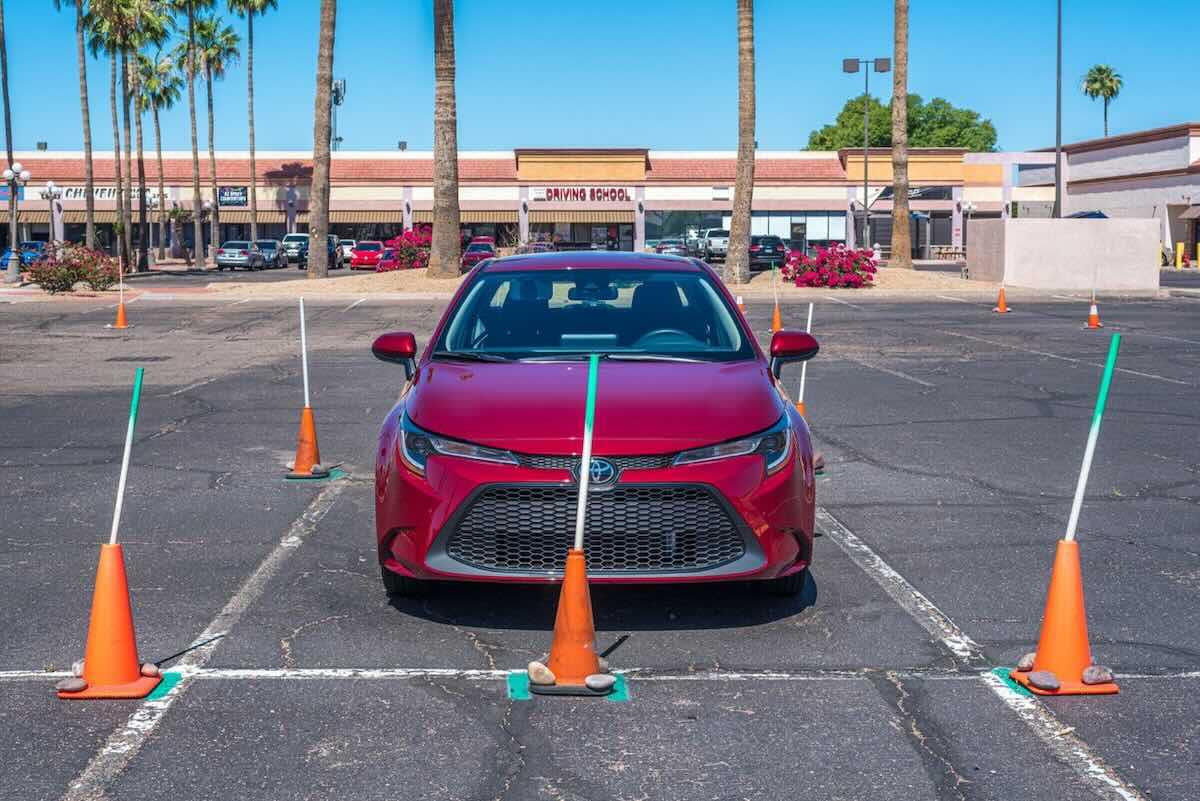
How to avoid it: Take your time and move slowly. Use your mirrors, keep the steering wheel steady, and practice in low-stress settings. With repetition, parking becomes a routine skill instead of a stressful task.
Not Checking Blind Spots During Lane Changes
Even when using mirrors, there are areas around your vehicle you simply can’t see, and forgetting to check those blind spots is one of the easiest ways to miss a car that’s already in your path.
How to avoid it: Always signal first, then check your mirrors and glance over your shoulder before moving. Adjust your mirrors properly to minimize blind spots, but never rely on them alone.
Overusing or Misusing High Beams
High beams are a powerful tool when driving at night, especially on Arizona's dark rural highways. But leaving them on around other drivers creates dangerous glare that limits everyone’s visibility.
How to avoid it: Use high beams only when you truly need extra light and switch them off when oncoming traffic or the vehicle in front of you is within 500ft.
Driving While Fatigued
Hours of driving? It's monotonous, and it’s a recipe for fatigue. Even if you’re not nodding off, mild tiredness can still slow your reflexes and cloud your judgment.
How to avoid it: Prioritize your health and get plenty of rest. Take breaks on long drives, share driving when possible, and avoid late-night road trips if you’re tired.
Forgetting Defensive Driving Skills
Most crashes happen because someone wasn’t prepared for the unexpected. That’s where defensive driving comes in; it trains you to think ahead and act calmly.
How to avoid it: Make it a habit to expect surprises: a cyclist wobbling near the lane, a pedestrian stepping out early, or debris on the road. And if you want to sharpen those instincts, a defensive driving class with a certified instructor is a great investment.
Arizona-Specific Driving Challenges
Driving in Arizona comes with its own set of unique situations. Here are a few to keep in mind:
Underestimating Heat and Desert Fatigue
The Arizona sun is no joke. Long stretches of desert driving can sap your energy and make you less alert.
How to avoid it: Stay hydrated, keep your vehicle’s AC in good working order, and schedule breaks during longer trips to reset your focus.
Misunderstanding Roundabouts
Still new to many parts of Arizona, roundabouts leave some drivers scratching their heads. Should you stop? Should you go? It’s confusing if you haven’t practiced.
How to avoid it: Remember: yield to cars already in the circle, stay in your lane, and signal when exiting. If you’re unsure of the details, check out our guide to roundabout rules in Arizona.
NoT Watching for Wildlife on Rural Roads
Arizona’s beauty isn’t just in its landscapes. It includes wildlife too, and sometimes that means deer, elk, coyotes, or smaller animals darting unexpectedly onto the road.
How to avoid it: Keep your speed reasonable, especially in rural areas at dawn and dusk. Scan the shoulders of the road and use your high beams if you're not within close distance of other vehicles.
Driving Blind in Dust Storms and Sudden Weather changes
If you’ve lived in Arizona long enough, you know how fast dust storms or monsoons often roll in. Reduced visibility and high winds can create dangerous conditions in mere minutes.
How to avoid it: In any sort of inclement weather, slow down and increase your following distance. If you're struggling to see, pull off the road completely and wait it out.
Turn Mistakes into Confidence With Professional Driving Instruction
At Stop and Go Driving School, we believe mistakes aren’t failures but opportunities to learn. Whether it’s handling the steering wheel, practicing parallel parking, or just learning how to manage nerves before your exam, every lesson is a step toward safer, more confident driving.
Driving is a lifelong skill. And like any skill, it takes practice and a little patience. By recognizing these common mistakes — and working on how to avoid them — you’ll not only lower your risk of tickets or accidents, but also enjoy the peace of mind that comes with being a safe, confident driver.
If you’re ready to take the next step, our experienced driving instructors provide supportive, personalized lessons designed to help you build the skills you need for the driving test and beyond. Sign up today and start turning mistakes into confidence, one drive at a time.