How to Use a Roundabout: A Beginner’s Guide
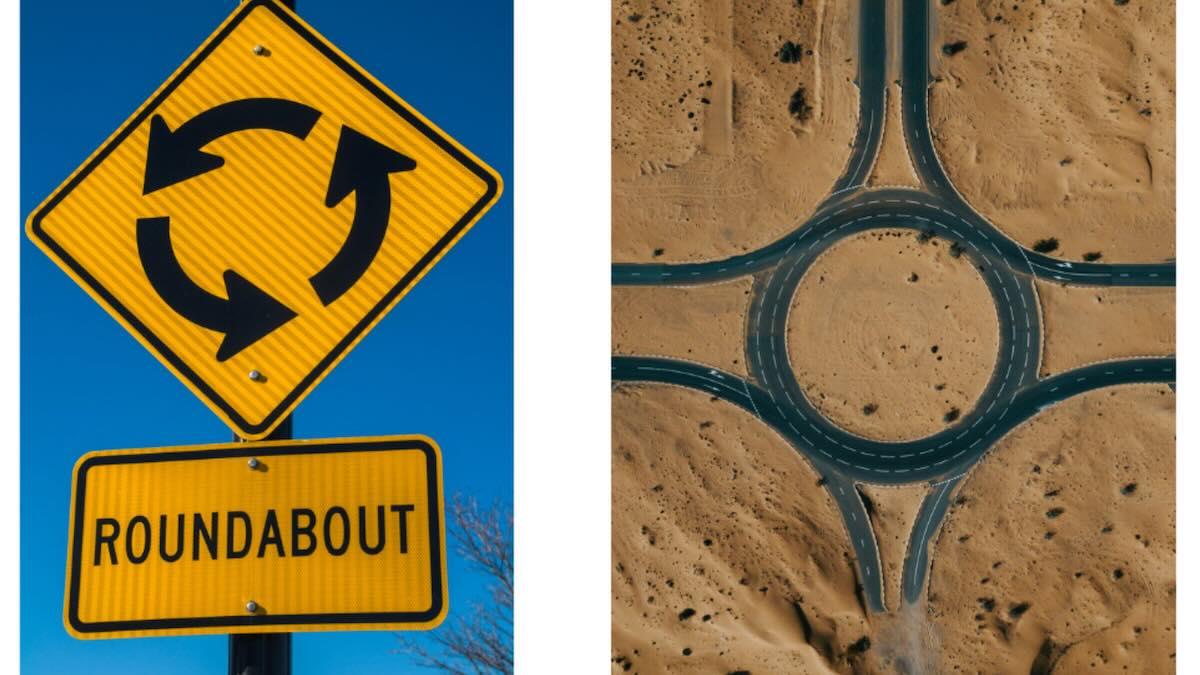
Whether you love them or hate them, roundabouts are showing up more and more on Arizona roads, and they’re not going away. Built to improve traffic flow and reduce the risk of serious crashes, roundabouts are an efficient alternative to traditional intersections. But if you’ve never used one before, they can feel a little overwhelming.
The good news? With a bit of practice and some expert driving instruction, learning how to use a roundabout can be simple and stress-free. Whether you’re new to driving or just need a refresher, this guide will walk you through the basics.
How Do Roundabouts Work?
Unlike intersections controlled by traffic lights or stop signs, roundabouts are designed to keep vehicles moving. Instead of stopping and waiting your turn, you approach a circular intersection and yield to traffic already inside.
The key principle is simple: traffic moves in a counterclockwise direction, and anyone entering the roundabout must yield to vehicles already in motion. This reduces stop-and-go movement and helps maintain a steady flow of traffic.
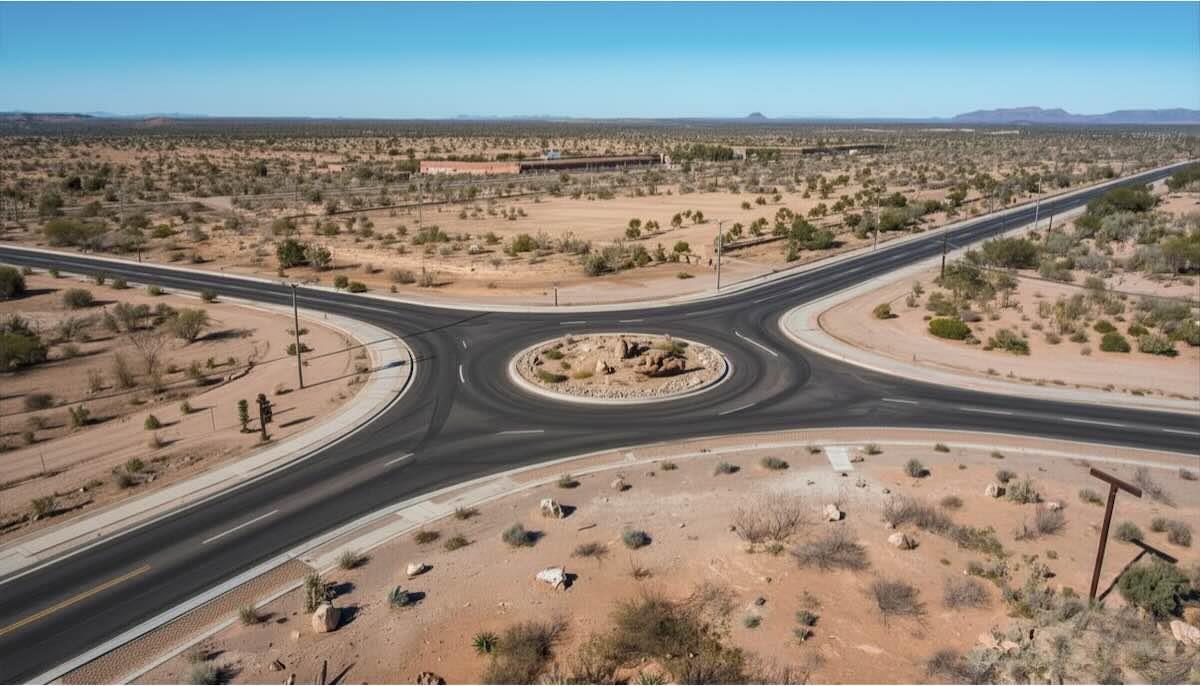
How to Enter a Roundabout
Approaching a roundabout requires a little more attention than a typical intersection. Here’s how to do it right:
-
Slow down as you approach. Roundabouts usually have posted speed limits lower than the surrounding road, usually between 15 and 25 mph.
-
Look for signs and lane markings that tell you which lane to use depending on your intended exit.
-
As you near the entry point, look left and yield to traffic already in the circle.
-
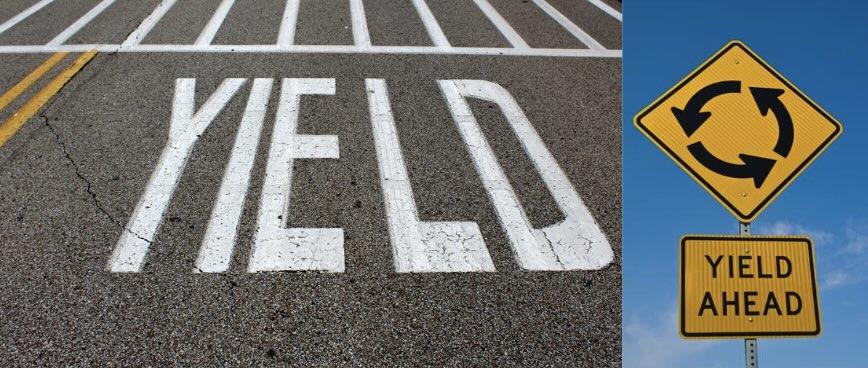
If no traffic is coming, you may enter without stopping. But if cars are already circulating, stop behind the yield sign until there’s a safe gap.
Never try to “beat” another vehicle into the circle. Wait until there’s enough space to enter smoothly.
How to Drive Through a One- vs. Two-Lane Roundabout
In a single-lane roundabout, navigating is simple: slow down, yield to traffic on your left, enter when it’s clear, and signal before exiting.
But in a two-lane roundabout, the lane you choose before entering determines where you can go:
Right lane: Use this to turn right (first exit) or go straight (second exit).
Left lane: Use this to go straight (second exit), turn left (third exit), or make a U-turn (fourth exit).
Do not switch lanes once inside the roundabout. Follow pavement arrows and signs at the entrance to choose your lane correctly based on your intended exit.
How to Exit a Roundabout
Once you’re inside, continue driving counterclockwise until you reach your exit:
-
Signal right just before your exit to let others know you’re leaving.
-
Exit from the same lane you entered. If you're in the left lane, only exit from it if signs and markings show it's allowed. Never cut across lanes to exit.
-
Watch for foot traffic on the sidewalk, and always yield to anyone using the crosswalks at the roundabout's entrances and exits.
-
Maintain a slow, steady speed as you exit onto the new road.
Pedestrian Crossings at Roundabouts
Roundabouts are designed with pedestrian safety in mind. Crosswalks are usually set a short distance from the circle, creating space between foot traffic and vehicle movement.
Drivers must yield to pedestrians in marked crosswalks and stay alert for people crossing the road, especially near schools or busy areas.
If you're cycling, you can either ride through the roundabout like a vehicle (staying in your lane and following the same traffic rules) or dismount and use the pedestrian crossing, depending on what feels safest.
Want to Practice Roundabouts in Real Life?
Roundabouts can feel tricky at first, but once you understand the flow, they’re one of the most efficient intersection designs on the road.
At Stop and Go Driving School, our experienced, patient instructors help new drivers build real-world confidence. During your driver's education program, they'll guide you through hands-on practice with roundabouts, proper lane use, and everything else you need to stay safe and comfortable in today’s traffic.
Ready to master roundabouts and more? Sign up for behind-the-wheel training with Stop and Go today.