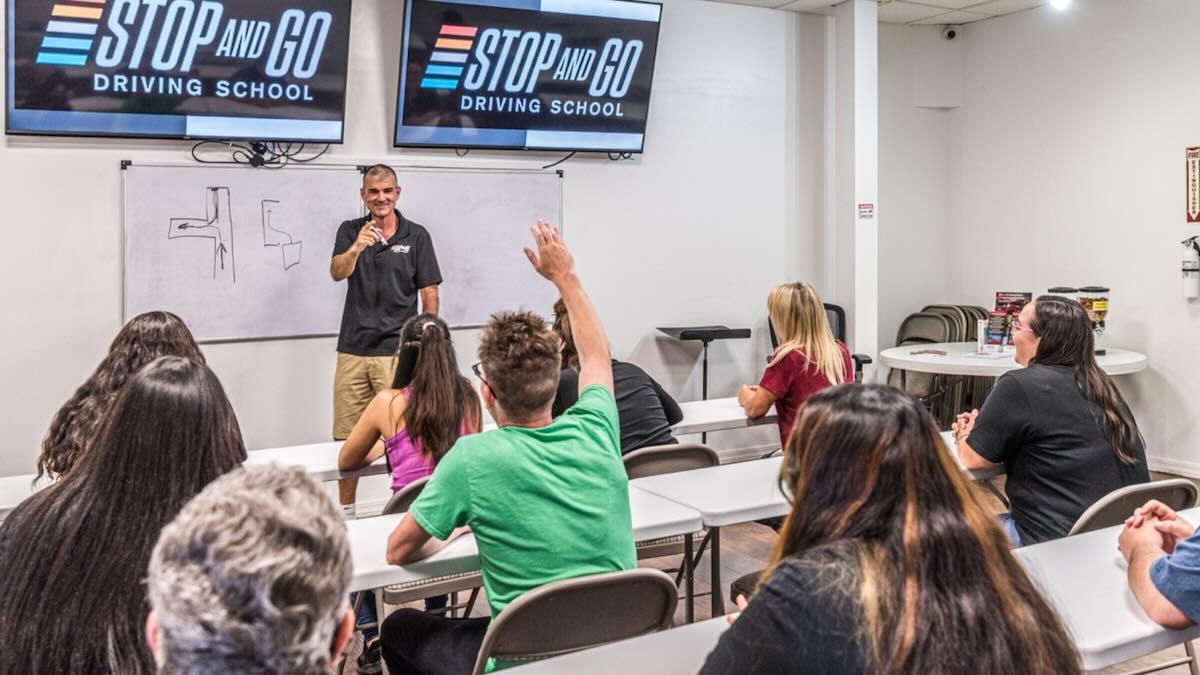
Choosing a driving school for your teenager is one of the most critical safety decisions you will make as a parent. On Arizona roads, handing over the keys represents a major milestone, but it also opens the door to an unfamiliar, high-stress environment. Finding a program that offers comprehensive, professional instruction can make all the difference in transforming an anxious beginner into a focused, defensive driver.
As you navigate your options, understanding how to properly evaluate a driver education program is essential to ensure your child receives the best training. This comprehensive guide breaks down the safety risks facing young drivers, the specific regulations governing driver training in Arizona, and the exact criteria you should look for to ensure your teen is learning from a patient, expert institution.
If you are ready to explore comprehensive training options built explicitly around safety and patience, you can get started today with Stop and Go's state-approved Driver's Education Program.
The Reality of Teen Driving: Core Safety Risks and Statistics
Motor vehicle crashes remain a leading cause of injury and fatality for young drivers aged 16 to 19, making comprehensive driver education a life-saving necessity.
According to official transportation safety data, novice drivers face severe behavioral and situational challenges on the road. Consider these critical benchmarks:
At Stop and Go Driving School, we reject the "churn-and-burn" approach of standard commercial schools. Behind every statistic is a family deserving proper, comprehensive safety training.
Arizona Legal Framework: The Graduated Driver License Pathway
Arizona law regulates teen driver safety through a structured, multi-phase licensing system designed to build behind-the-wheel experience progressively under strict supervision.
To support your teen effectively, you must understand the state's legal framework and milestones.
-
Phase 1: Holding the Instruction Permit: A teen must obtain and hold an instructional permit for a minimum of six consecutive months before they are legally eligible to advance to a driver's license.
-
Phase 2: Completing Supervised Practice Hours: The state mandates a minimum of 30 hours of certified supervised driving practice, which must include at least 10 hours completed after dark, under the supervision of a licensed driver aged 21 or older.
-
Phase 3: Passing the Road Examination: To upgrade to a license, the teen must pass a practical driving test. Students completing our authorized curriculum completely bypass the traditional state exam, earning an official Road Test Waiver directly at their final lesson.
-
Phase 4: Following Graduated License Restrictions: Once licensed, teens gain independent freedom under strict six-month state rules. During this initial period, they cannot drive between midnight and 5:00 a.m. or carry more than one passenger under 18, excluding immediate siblings.
The Stop and Go Advantage: While navigating the traditional Arizona Motor Vehicle Division (MVD) process is famously stressful and tedious, our state-approved curriculum provides a seamless path to independence. Under our Gold and Platinum packages, we handle the final testing ourselves, allowing your teenager to secure their official driving privileges in a familiar, supportive environment without ever standing in an MVD line.
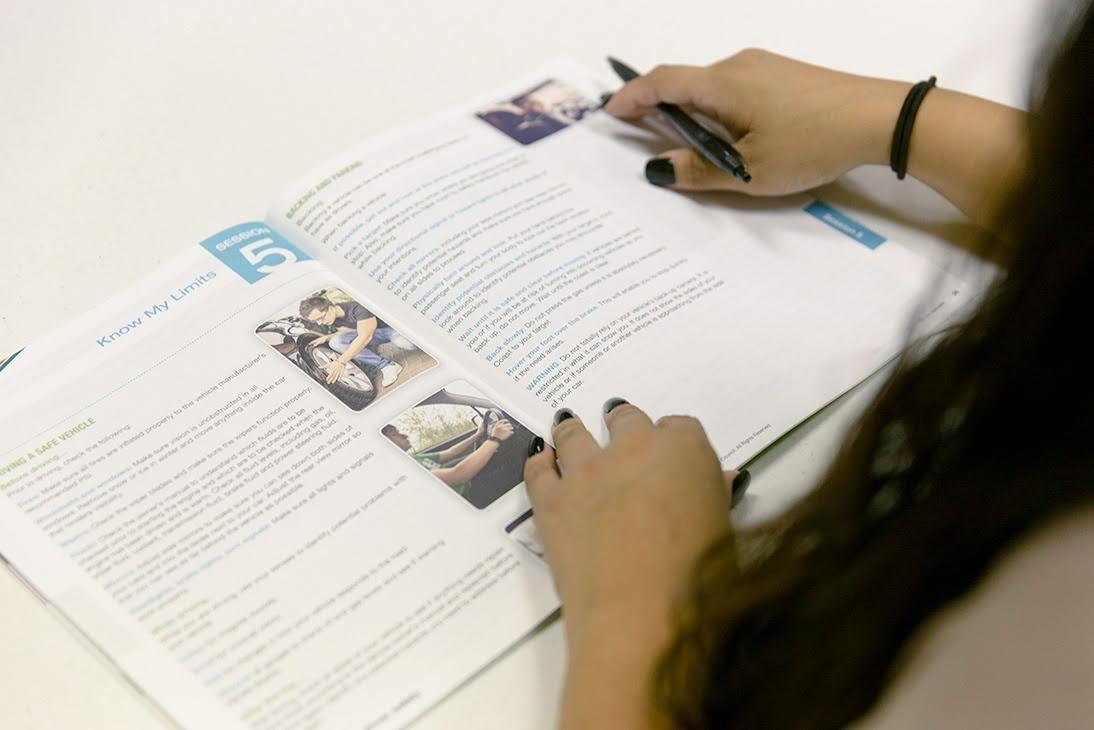
4 Crucial Pillars for Choosing a Safe Driving School
When inspecting an educational institution, do not settle for basic checklists. Look deep into their instructional mechanics across these four core metrics:
1. Instructor Qualifications and Screening Standards
The highest vetting standards for driving instructors require comprehensive federal background checks, fingerprint clearance, and formal state licensing to guarantee student safety.
Because the quality of a student's education rests entirely on the individual sitting next to them in the passenger seat, 100% of Stop and Go instructors have successfully cleared intensive federal background checks, obtained formal fingerprint clearance, are subject to random drug test screenings, and are fully certified by the Arizona MVD.
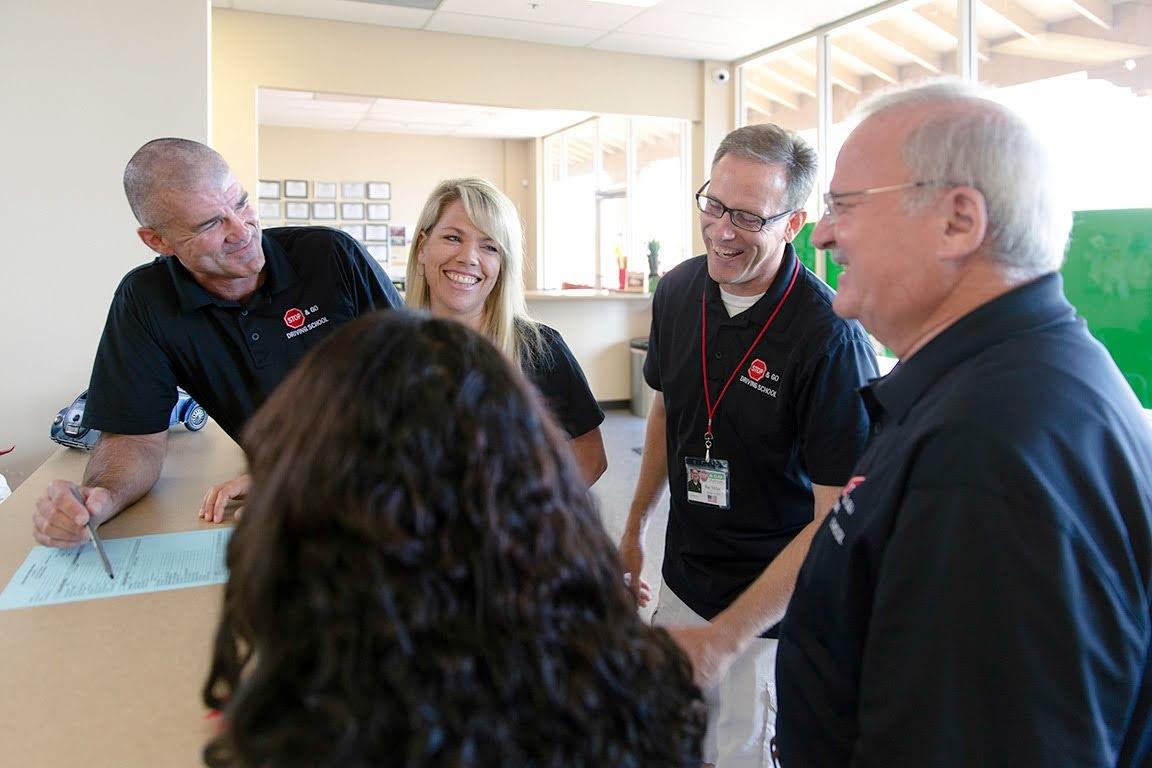
Many of our trainers are also former schoolteachers or law enforcement officers who have spent decades communicating effectively with teens. You can get to know our background-checked and certified driving instructors before your child ever steps into a car.
2. Pedagogy Over Automation: The "No Simulators" Rule
Real-world, in-car driving lessons provide the only effective training medium for developing authentic hazard awareness, visual scanning habits, and physical vehicle feedback.
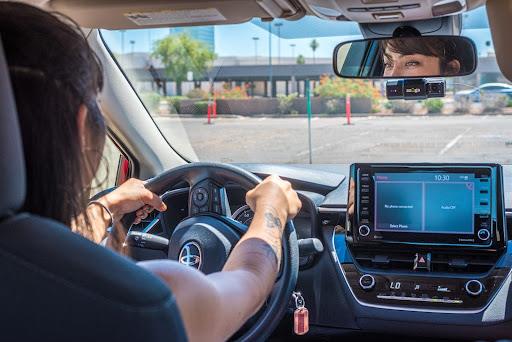
While many standard programs use digital screens or driving simulators to cut costs, complex spatial scanning and physical brake pedal feedback simply cannot be replicated by a computer. For this reason, Stop and Go maintains a strict no simulators policy. We believe true confidence on the road is built exclusively through actual miles logged in the real world, which is why every single minute of our instruction consists of practical in-car driving lessons in modern, dual-brake-equipped vehicles.
3. Specialization and Inclusive Teaching Models
Inclusive driving instruction relies on patient, adaptive teaching methods designed explicitly to support students navigating ADHD, Autism, or high driving anxiety.
A rigid, high-stress instruction style can easily cause anxious or neurodivergent teenagers to panic or shut down. As the only driving school in Arizona owned and operated by professional educators holding specialized degrees in Traffic Safety Education and backgrounds in Special Education, our curriculum is built entirely around patience. Our trainers act as supportive coaches who never yell or rush, ensuring our hands-on experiences adapt directly to how your teen naturally processes information.
4. Curriculum Approval and Operational Scale
Stop and Go is the only driving school that offers an online curriculum approved by the Arizona MVD for Driver’s Education, providing parents with a completely exclusive, state-authorized digital training pathway.
Finding a program with exclusive state backing is the strongest indicator of educational authority. Because our proprietary digital coursework is the only online driver's education program to achieve official MVD approval, your teen is guaranteed a curriculum that strictly aligns with state licensing laws. As Arizona's largest provider, we back this exclusive curriculum with superior class availability, an expansive fleet of safety vehicles, and numerous regional hubs across the Valley. You can easily find a convenient classroom near you by exploring our various Stop and Go locations.
Driving Course Options, Packages, and Value Evaluation
A driving school's offerings should fit your family's scheduling and testing goals seamlessly. Short, focused sessions allow students to process knowledge in smaller, manageable intervals rather than suffering through dense text or over-exhaustion.
Driving School Comparison Checklist
|
Feature Criteria
|
Standard Competitors
|
Stop and Go
|
|
Instructional Staff
|
Basic Licensed Drivers
|
MVD-Certified Trainers & Educators
|
|
Training Medium
|
Virtual Simulators
|
100% Real-World In-Car Lessons
|
|
MVD Testing
|
Parents must book traditional MVD road tests
|
Gold & Platinum Packages include the Road Test Waiver
|
|
Specialized Training
|
Rare, or standard rigid style
|
Formatted explicitly for ADHD, Autism, & Anxiety
|
|
Vehicle Safety
|
Standard commercial cars
|
Dual-brake control & dual-mirror training vehicles
|
To look over pricing models and select a curriculum that satisfies your teen’s pathway to license acquisition, you can compare our student-tailored driving school packages to find the perfect fit for your family.
The Parents’ Ongoing Role: Reinforcing Safety at Home
Active parental involvement through consistent communication with instructors and modeling defensive driving habits reinforces professional training and reduces teen accident rates.
Your involvement does not end once you select a highly certified driving school. To maximize your investment and ensure your teenager remains safe for life, actively partner with their trainers.
-
Communicate: Review lesson summaries with your teen's instructor to target weak skills.
-
Model Habits: Always wear your seat belt, obey speed limits, and eliminate phone distractions.
-
Coach Calmly: During your 30 hours of required home supervision, maintain a solution-oriented mindset. Explain why safety rules exist rather than lecturing.
Teaching a teenager to drive can feel overwhelming, but it doesn't have to be a source of family conflict. By selecting an educational institution rooted in patience, safety, and proven real-world instruction, you can confidently help your teen gain independence while keeping them secure on the road.
Ready to take the stress out of driver education? Register for lessons or contact our friendly team of educators today to give your teenager the effective, patient training they deserve.
Frequently Asked Questions About Arizona Teen Driving Schools
How many hours of driving school are required in Arizona?
Arizona law requires teen drivers to complete a minimum of 30 hours of certified supervised driving practice—including at least 10 mandatory night hours—in addition to holding an instructional permit for at least 6 consecutive months before taking a licensing exam.
Can a driving school bypass the traditional MVD road test in Arizona?
Yes, an Arizona MVD-authorized driving school can bypass the traditional road test. Students who complete an approved curriculum with a certified provider like Stop and Go Driving School receive an official Road Test Waiver, allowing them to earn their driver's license directly upon completing their final lesson.
Why is an educator-owned driving school better for anxious or neurodivergent teens?
An educator-owned driving school features trainers with instructional backgrounds in Traffic Safety and Special Education. This pedagogical expertise allows them to apply patient, adaptive, non-judgmental coaching styles tailored explicitly for students navigating ADHD, Autism, or high driving anxiety.
Do driving simulators provide the same safety value as real in-car driving lessons?
No, digital driving simulators cannot replicate the complex visual tracking, physical brake pedal response, or authentic hazard awareness encountered on actual roads. Comprehensive student development requires real-world, in-car instructional miles logged in an actual dual-brake-equipped vehicle under professional supervision.