How to Change Lanes and Merge Safely: Essential Techniques for Confident Driving
Changing lanes and merging onto Arizona highways are two of the most important maneuvers you'll learn as a driver. We see them as a major milestone in your driving journey; mastering them means you are becoming a proactive part of traffic and moving with the kind of calm that keeps everyone safe.
But it's completely normal to feel a pinch or two of anxiety when you see a crowded freeway or a short merge ramp. That "white-knuckle" feeling is something almost every driver has experienced, and it is exactly what we are here to help you move past.
In this guide, we will break down the essential MASH technique for lane changes, explain how to match highway speeds for a seamless merge, and highlight the common mistakes to avoid. Whether you are a teen eager for independence or an adult looking for a refresher, our Driver's Education courses prioritize the patience and real-world experience you need to replace nervousness with genuine expertise.
Master the Fundamentals of a Safe Lane Change
A safe lane change is a clear conversation between you and the drivers around you. To make this move second nature, we teach our students the MASH method. This simple habit ensures you never miss a step.
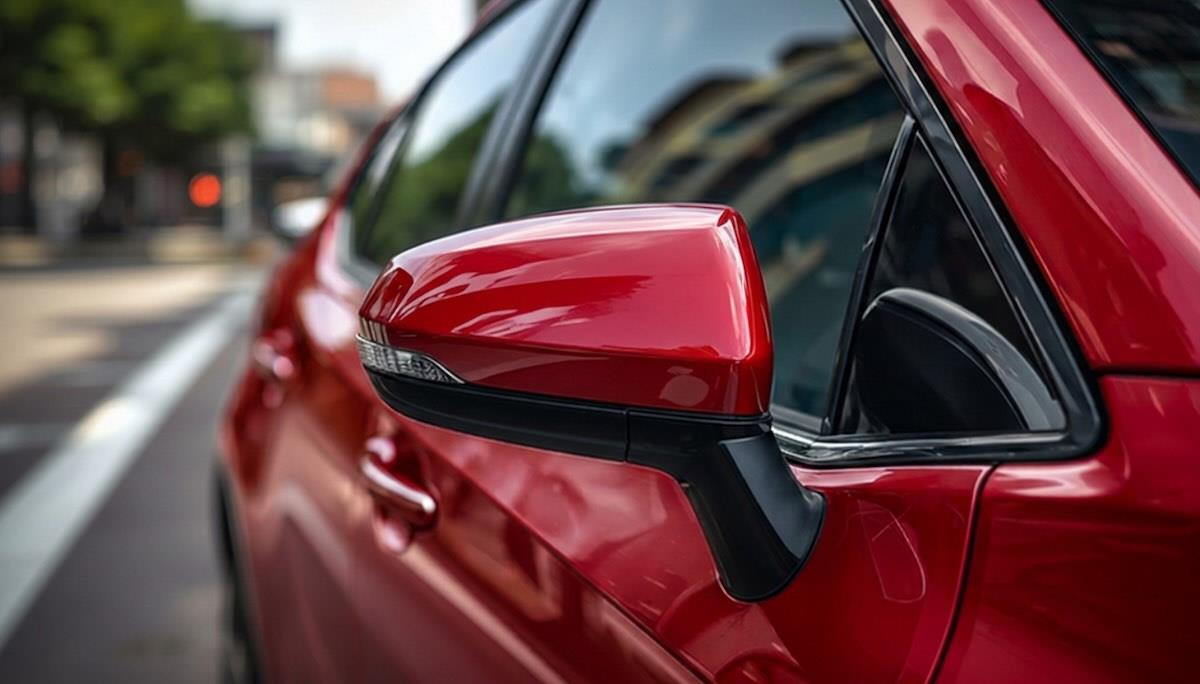
M – Mirrors: Check your rearview and side mirrors to get a clear picture of the traffic flow behind you. You are looking for a gap that is large enough for your vehicle to fit into without making others brake.
A – And
S – Signal: Communicate your intentions. You should turn on your blinker at least 3 to 5 seconds before you plan to move. This is a courtesy that lets everyone around you know your next move.
H – Headcheck: This is the most critical step of the process. Your mirrors have limits, so you must physically turn your head to check your blind spot. This ensures a smaller car or a motorcycle isn't hiding just out of view.
Once you have confirmed the path is clear, maintain your speed and smoothly steer into the new lane. Remember to turn off your signal once you’re done!
Why Mirrors and Blind Spots Matter
Your mirrors give you a great wide-angle view, but they cannot show you every inch of the road around you. Relying only on your mirrors often leads to missing a vehicle in your lateral field. Physically turning your head to check your blind spot is a non-negotiable habit for safety. Our trainers emphasize this in every In-Car Lesson, so it becomes second nature whenever you're behind the wheel.
How to Merge Onto Highways With Confidence
Merging requires a bit more energy and focus than a standard lane change. The secret to a stress-free merge involves matching the rhythm of the highway.
-
Match the Speed: Use the acceleration lane for its intended purpose—accelerating! You want to reach the speed of highway traffic before you reach the end of the ramp. Entering a fast-moving freeway at a slow speed is dangerous for you and the drivers behind you.
-
Find Your Gap: Look ahead and check your mirrors early to spot an opening. Our Driver's Education curriculum focuses heavily on defensive techniques. We teach you how to identify a space cushion so you can slide into traffic without making others slam on their brakes.
-
Understand the Right of Way: Legally, the traffic already on the highway has the right of way. While many kind drivers will move over to let you in, you must be prepared to adjust your own speed to find a safe entry point.
Common Mistakes to Watch Out for
Even experienced drivers can fall into bad habits. Recognizing these common errors is the first step toward becoming a more expert driver.
-
The Silent Lane Change: Moving without a signal removes the predictability of your driving. When you don’t signal, other drivers cannot anticipate your move, which significantly increases the risk of a side-swipe collision.
-
Hesitation at the Merge: If you stop at the end of an acceleration ramp, you lose your momentum. This makes it much harder to find a gap and increases the risk of a rear-end collision.
-
Cutting it Close: Forcing your way into a tiny gap creates brake waves that could cause accidents far behind you.
If you have received a corrective action notice because of a lane-change or merging error, our Traffic Survival School (TSS) offers a supportive environment to help you get back on track.
Driving in Heavy Traffic and Bad Weather
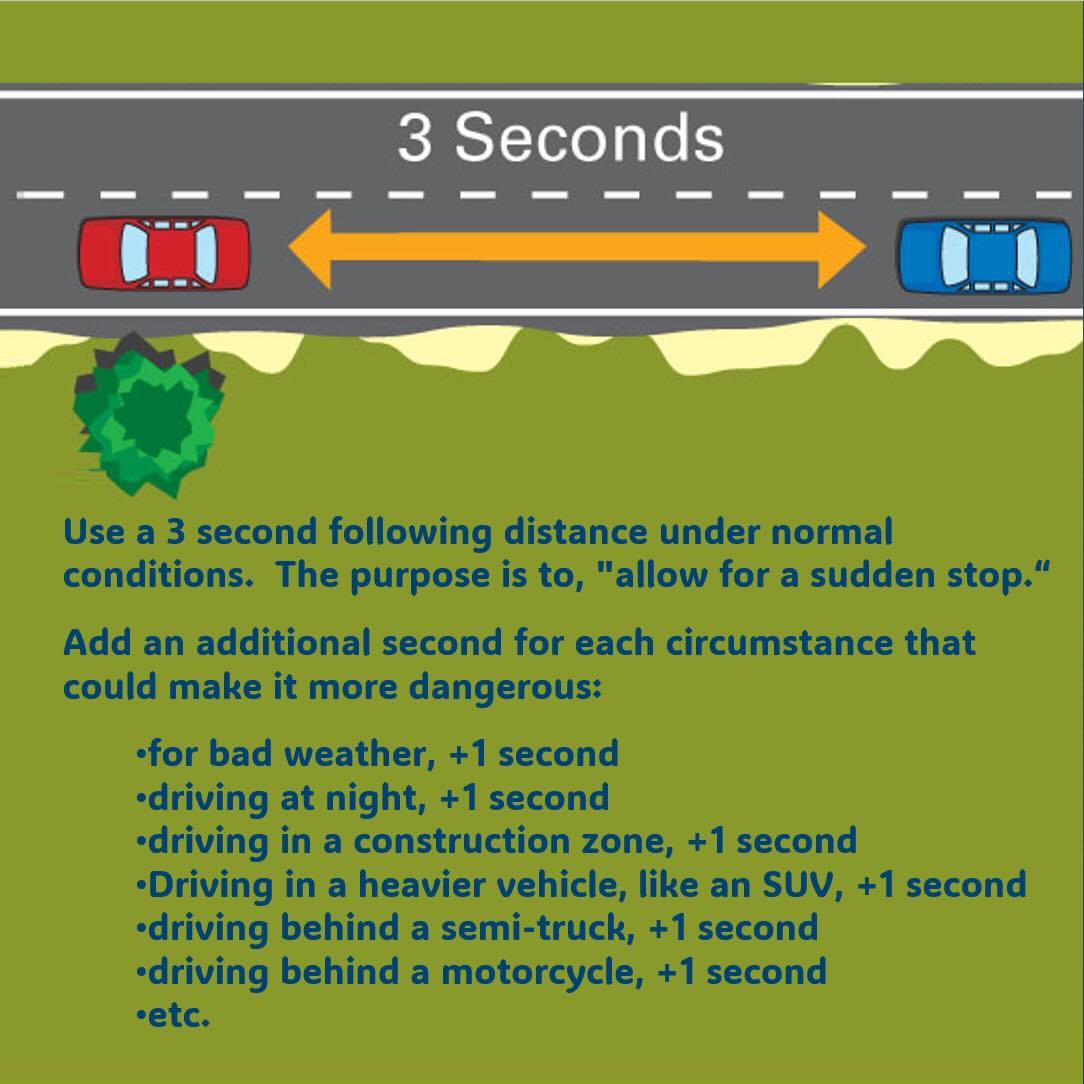
Heavy Phoenix traffic and sudden monsoon rains require an extra level of awareness. In congested areas, patience is your greatest asset. Avoid quick or darting movements and keep a safe following distance so you have room to breathe if traffic stops suddenly.
Pro Tip for Monsoon Season: When visibility is low during a dust storm or heavy rain, turn on your headlights but avoid using your high beams, which can reflect off the dust and further reduce visibility. Start your turn signals much earlier than usual to give drivers behind you extra warning.
Ready to Hit the Road with Confidence?
At Stop and Go Driving School, we know that great drivers are taught with patience and expertise. Since 1997, we have helped over 250,000 students across Arizona move from the passenger seat to the driver’s seat. Whether you are starting from scratch or just need to brush up on your highway skills, we are here to help you every mile of the way.
Ready to get started?
-
Book Your In-Car Lessons: Work one-on-one with our expert trainers in a real vehicle.
-
View Our Locations: Find the Stop and Go classroom or training hub nearest to you in the Phoenix Metro area.
-
Dismiss a Ticket: Keep your record clean and your insurance rates low with our convenient Defensive Driving courses.
FAQs: Lane Changing & Merging
Why do I need professional lessons to practice highway merging? Merging is one of the highest-stress maneuvers for any driver because it requires precise timing and speed control. Our in-car lessons take place in real vehicles on real Arizona roads, not simulators. This allows you to practice matching highway speeds and identifying gaps with a patient coach who has a dual brake for your safety.
How do your trainers help with "freeway anxiety"? Anxiety often comes from feeling like things are moving too fast to control. Our founders have backgrounds in Special Education, and we specialize in helping nervous students or those with ADHD and Autism. We break down complex maneuvers like the SMOG technique into simple, repeatable habits until they feel like second nature.
If I made a mistake merging and got a ticket, which course do I need? It depends on the notice you received from the MVD or the court. If you want to dismiss a ticket to avoid points, our Defensive Driving course is likely the right fit. However, if you received a corrective action notice specifically for a serious lane-change violation, you will likely need our 8-hour Traffic Survival School (TSS).
Is the MASH technique part of the MVD driving test? Yes. Examiners look for proper signaling, mirror usage, and—most importantly—physical head checks for blind spots. By practicing these with us, you can build the skills needed to earn your license. In fact, our Platinum and Gold Packages include the Road Test Waiver, allowing you to prove your proficiency in these areas with your trainer rather than taking a stressful final test at the MVD.
What should I do if no one is letting me merge? Legally, highway traffic has the right of way, but our Driver's Education curriculum teaches you defensive strategies for this exact scenario. We teach you how to use the full length of the acceleration lane to find a "space cushion" and how to communicate clearly with other drivers using your signals so you can enter the flow of traffic safely.