What Every Driver Needs to Know About Speeding in Arizona
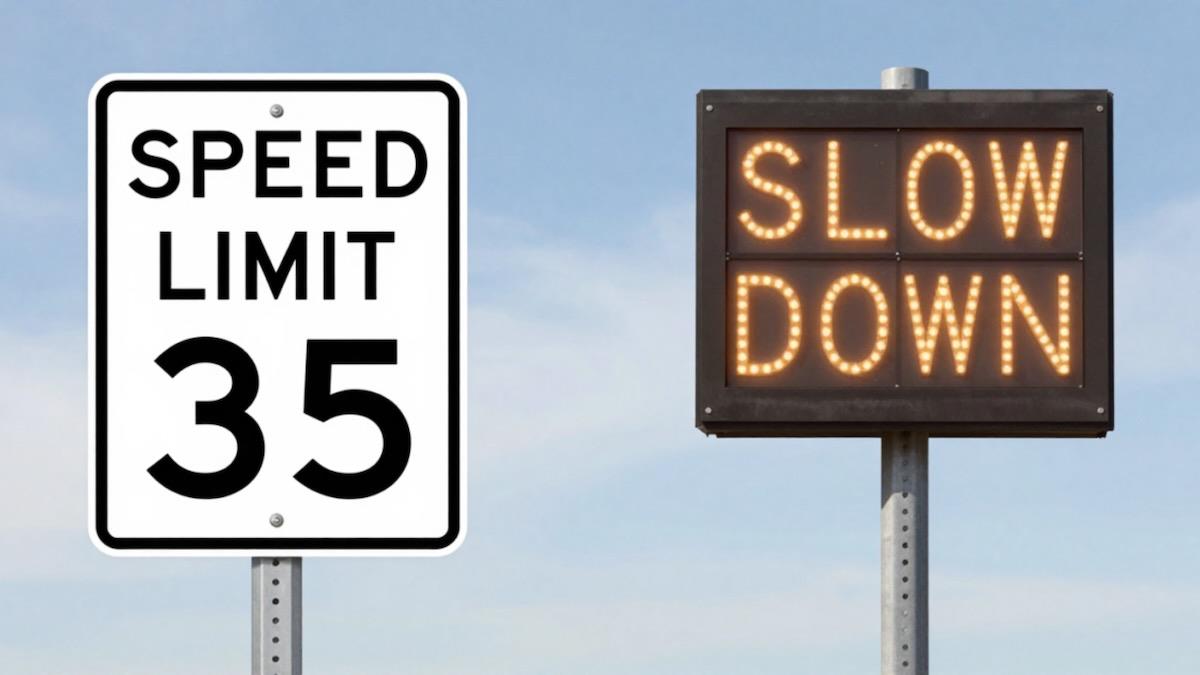
Speeding is one of the most common driving offenses, but in Arizona, it’s taken particularly seriously. Whether you’re navigating the bustling streets of Phoenix, the winding roads near Sedona, or the long stretches of highway through the Sonoran Desert, adhering to Arizona’s laws is crucial — not just to avoid fines, but to ensure the safety of everyone on the road.
Let’s break down everything you need to know about speeding in the Grand Canyon State.
Why Arizona Enforces Strict Speeding Laws
Arizona’s driving challenges are shaped by its unique geography and climate. Urban areas like Phoenix and Tucson frequently experience heavy traffic and pedestrian congestion, while the state’s rural highways feature long, open stretches of road that can tempt drivers to speed. Additionally, Arizona’s extreme temperatures and sudden dust storms create hazardous conditions, making speed control even more critical.
With speeding contributing to 34.1% of all fatal crashes in the state in 2023, Arizona enforces strict laws to address these risks, protect drivers, and ensure road safety in its diverse driving environments.
Understanding Arizona’s Speeding Laws
Speeding in Arizona means more than just exceeding the posted speed limit. You can also be cited if your speed is unsafe for conditions like heavy traffic or poor weather. This is known as the “reasonable and prudent” clause, which requires drivers to adjust their speed to match conditions. For example, driving 65 miles per hour in heavy rain could result in a speeding violation, even if you’re within the posted limit.
Urban areas: Typically range from 25 to 45 mph.
Highways: Limits are usually 65 to 75 mph, with some stretches allowing up to 80 mph.
School zones: 15 mph when approaching a school crossing.
Business or residential districts: 25 mph to accommodate increased foot traffic and tighter driving spaces.
Always keep an eye on posted signs, as limits can vary based on location and conditions.
Regular Speeding vs. Criminal Speeding
Regular Speeding: Exceeding the posted limit but not by a significant margin.
Criminal Speeding: Classified as excessive speeding, including:
-
Driving more than 20 mph over the posted limit.
-
Exceeding 85 mph anywhere.
-
Driving over 35 mph in a school zone.
Being convicted of criminal speeding charges is classified as a Class 3 misdemeanor, carrying harsher penalties than a typical traffic violation.
Consequences of Speeding in Arizona
Speeding violations come with steep penalties, which can escalate depending on the severity of the offense.
Penalties for Regular Speeding
Penalties for regular speeding typically include fines that vary by county and the severity of the violation. Drivers also receive three points on their driving record, which can accumulate over time and lead to further consequences.
Penalties for Criminal Speeding
Drivers convicted of criminal speeding in Arizona face steep penalties, including:
Speeding violations can also affect your insurance premiums. Insurers often raise rates significantly for drivers with speeding tickets. Additionally, accumulating too many points on your driving record — eight or more within 12 months — can result in mandatory traffic school or a suspended driver’s license.
Fighting a Speeding Ticket
If you believe your speeding ticket was unfairly issued, you have the right to contest it in court. To build a strong case, gather evidence that supports your claim, such as Dashcam footage, witness statements, or proof of incorrect speed limit signage. If you’ve been charged with criminally speeding, a defense attorney can provide expert guidance and potentially lead to reduced penalties.
Tips for Staying Within the Limit
Pay attention to posted signs, especially in areas like school or construction zones where limits frequently change. Always adjust for conditions like heavy traffic or poor weather.
Practice Defensive Driving
Maintain a safe following distance, stay alert to traffic patterns, and avoid rushing. The calmer and more focused you are, the less likely you are to speed.
Modern tools can help you avoid speeding:
-
Speed monitoring apps: There are a handful of phone apps available that will you if you exceed the limit.
-
Vehicle Features: Many cars have speed warnings or cruise control to help you stay steady.
-
GPS Systems: These often display speed limits and alert you to strict enforcement zones.
Prevent Speeding Tickets With Expert Training
Speeding violations in Arizona can have serious consequences, but with the right knowledge and habits, you can stay safe and compliant. At Stop and Go Driving School, we’re here to help drivers of all ages master the rules of the road and develop safe driving techniques.