Right-of-Way Rules Every Arizona Driver Should Know

Right-of-way situations can be some of the most confusing moments on the road. Who goes first at a four-way stop? What about a roundabout with a bus and a bike entering at the same time? In Arizona, the laws are clear, but in real life, things move fast, and not everyone drives by the rules.
This guide will walk you through the most common right-of-way scenarios, how to handle them confidently, and how a driver’s education course can make these rules second nature.
What Are Right-of-Way Rules?
In Arizona, right-of-way refers to the legal order of who gets to move first in a given traffic situation. It applies to all road users: drivers, pedestrians, motorcycles, bicyclists, and even horses. Failing to yield the right-of-way when required can lead to traffic violations, costly damages, personal injury, or worse.
Common Areas Where Right-of-Way Gets Confusing
Right-of-way confusion is especially common at intersections, pedestrian crossings, and areas with heavy traffic. Let’s look at where these issues come up most:
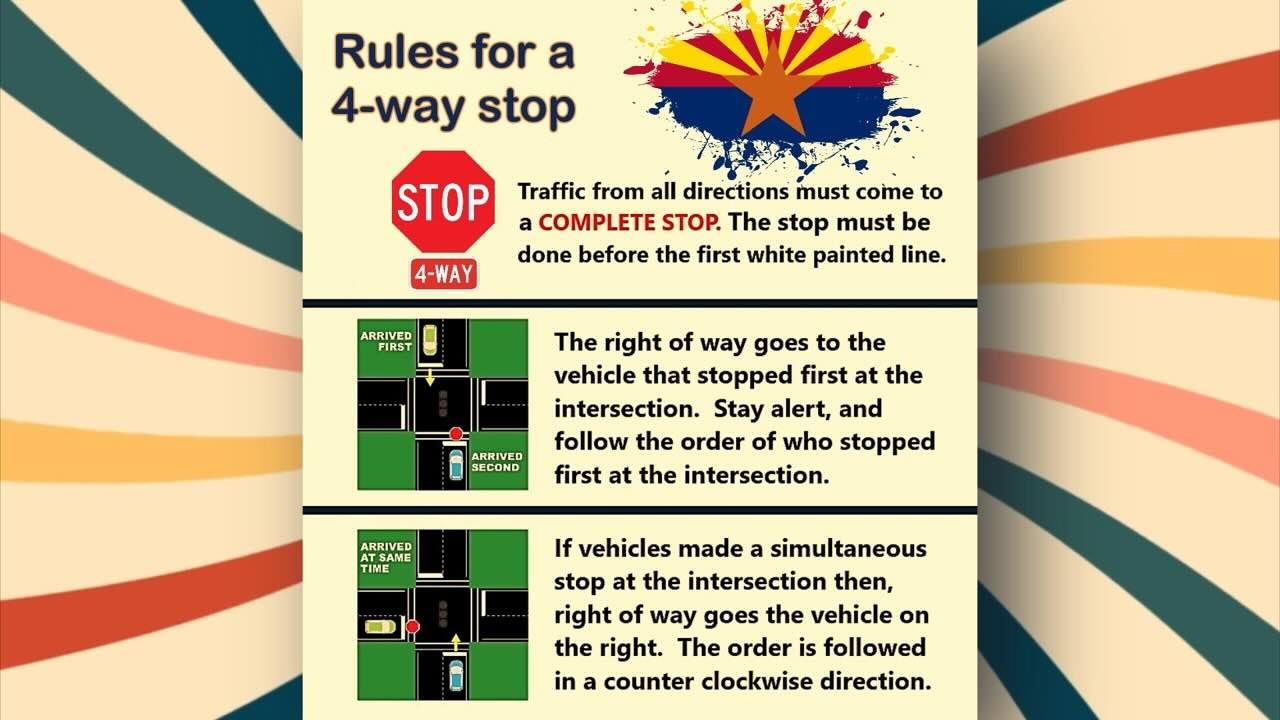
Stop Signs (2-Way, 3-Way, and 4-Way)
- At a 2-way stop, vehicles on the through road have the right-of-way. Drivers facing the stop sign must yield until it's safe.
- At a 3-way or 4-way stop, the first vehicle to stop should be the first to go. If two cars arrive at the same time, the driver on the right has the right-of-way.
- At any stop sign, always yield to pedestrians in a crosswalk.
Remember: just because you stopped first doesn’t mean other drivers will follow the same rule. Make eye contact and proceed with caution.
Traffic Lights and Yield Signs
- At a green light, you may proceed if the intersection is clear.
- At a yellow light, slow down and prepare to stop unless it’s unsafe to do so.
- A red light means stop completely. If you're turning right, you should still come to a full stop, yielding to pedestrians and traffic before proceeding.
- Yield signs require you to slow down for traffic already in the intersection or approaching closely.
The key is to recognize that these are natural stress responses — not signs that you're unsafe or incapab.le. With the right support, many drivers find that these symptoms decrease significantly as they build experience and confidence.
Pedestrian Crossings
In Arizona, drivers are required to yield to pedestrians who are lawfully crossing the street, whether in a marked crosswalk or an unmarked crosswalk at an intersection. But pedestrians don’t always have the right-of-way.
Pedestrians must follow traffic signals and avoid suddenly entering the path of a vehicle that’s too close to stop safely. For example, if a pedestrian darts into the road outside a crosswalk or crosses against a red signal, they may be at fault in the event of a collision. Arizona law expects pedestrians to act safely, just like drivers.
That said, drivers are still required to exercise caution and do everything reasonably possible to avoid a collision. Staying alert in high-foot-traffic areas can help prevent serious accidents, regardless of who has the right-of-way.
Roundabouts
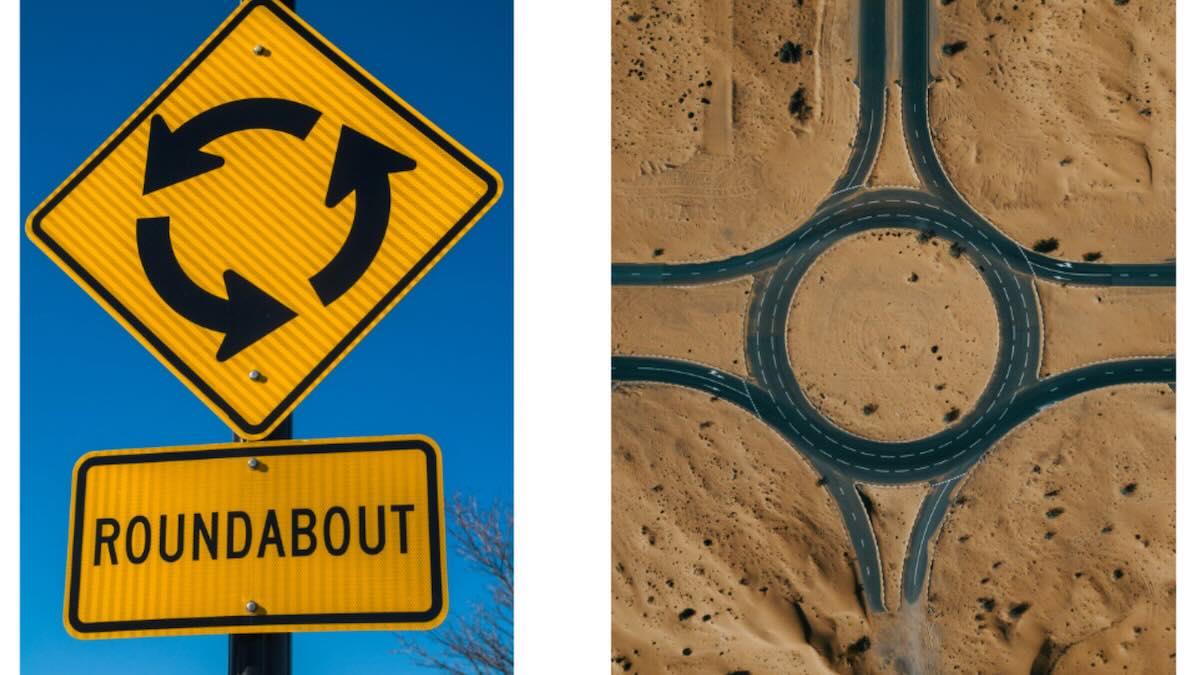
A roundabout can improve traffic flow, but it only works when drivers know how to navigate it properly:
- Yield to vehicles already in the circle.
- Yield to bicycles and pedestrians at crossings.
- Signal before exiting.
- Never stop inside a roundabout unless necessary.
Confusion here can quickly lead to fender benders — or worse, truck or motorcycle collisions if people stop suddenly.
Emergency Vehicles
When an emergency vehicle approaches — fire truck, ambulance, or police — you must yield by pulling to the right side of the road and stopping until it passes.
Delaying an emergency responder due to negligence or uncertainty about right-of-way rules can have serious consequences, both legally and ethically.
Bikes, Horses, Scooters, and More
Arizona law treats bikes, scooters, and motorcycles as vehicles. That means they must follow the same right-of-way rules, but they also deserve the same consideration. Drivers should yield when merging or turning to avoid sideswiping a rider in the bike lane.
For horses or non-motorized vehicles, slow down, give plenty of space, and yield as needed. Their presence on the road is legal, and, like always, safety is the priority.
Avoiding Confusion with Other Drivers
Even if you're following the law, not everyone else will. Here are some tips to prevent accidents and protect yourself from injury or damages:
Don’t Assume Others Know the Rules
Many accidents happen when one driver assumes the other will yield. Whether you're on a highway, in a parking lot, or at a busy intersection, always pause and double-check before proceeding.
Communicate Clearly
Use your turn signals, make eye contact, and move predictably. If another driver waves you through, even when it’s technically their turn, proceed with caution and only go if you’re sure it’s safe.
Slow Down in Confusing Areas
Residential streets, school zones, and commercial areas often have confusing signage or shared spaces. Slow down and stay alert for pedestrians, buses, and unexpected lane changes.
Practice Defensive Driving
Defensive driving means being ready for the unexpected. Even if you have the right-of-way, be prepared to stop or yield. A safe choice now could save you from an accident or injury.
Learn the Rules. Master the Road
At Stop and Go Driving School, we teach practical, real-world strategies to help students apply right-of-way rules correctly — whether they’re at a stop sign, a roundabout, or sharing a lane with a truck or bicycle.
Ready to feel more confident behind the wheel? Explore our Driver’s Ed programs and in-car lessons today.