Maximizing Your Behind-the-Wheel Instruction
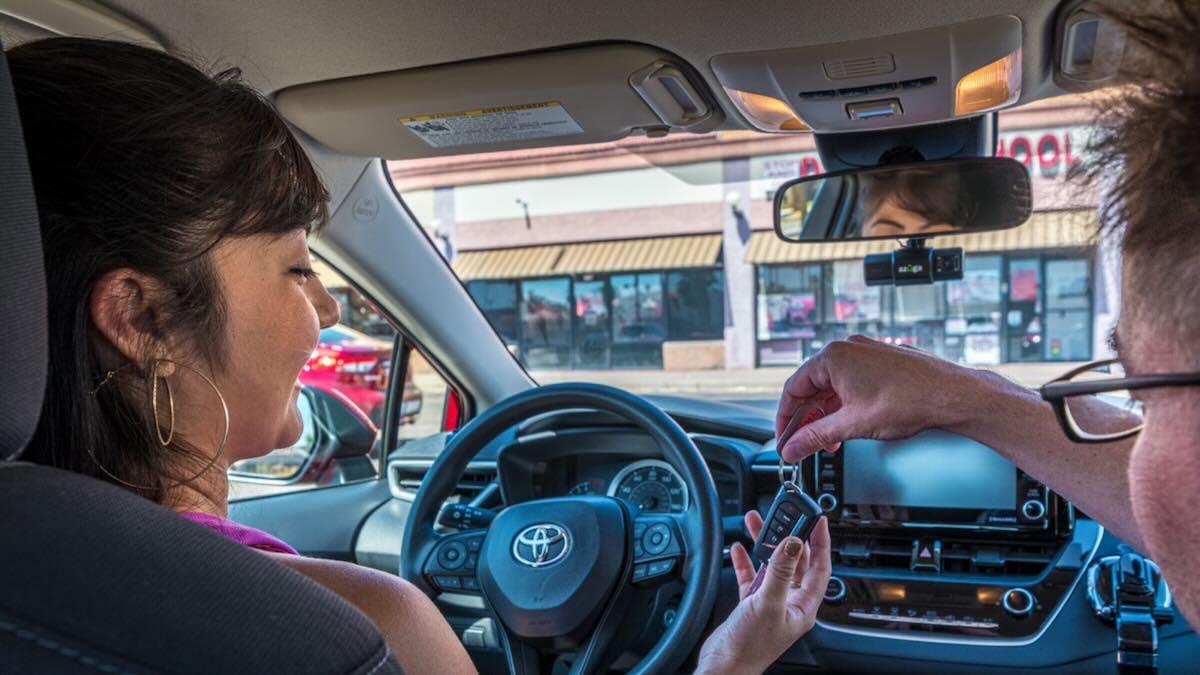
You’ve received your learner’s permit and enrolled in a driver’s education course — congratulations! Now, it’s time to move beyond the classroom and put your knowledge into action. While studying the rules of the road is essential, behind-the-wheel training is where the real learning begins.
This hands-on instruction is your chance to practice essential skills, like vehicle control and navigating tricky situations, with the guidance of a professional. By maximizing this time, you’ll not only be better prepared when it comes time to apply for a driver’s license, but you’ll also build safe habits that will last a lifetime.
In this blog, we’ll share tips to help you make the most of your driving lessons and set yourself up for long-term success.
Do You Need In-Car Training?
While driving theory lays the groundwork, only hands-on experience behind the wheel can help you develop the skills to drive safely and confidently. In-car training with a professional instructor provides essential guidance, helping you navigate real-world challenges like traffic, tricky intersections, and parking.
A major advantage of professional instruction is that it satisfies part of Arizona's requirement of 30 hours of behind-the-wheel, providing focused, hands-on training. This approach allows you to master safe driving habits under expert guidance, making your additional practice time behind the wheel more productive and impactful.
Get the Most Out of Your Lessons
Trust Your Instructor & Stay Engaged
During behind-the-wheel training, your instructor will set objectives for each lesson based on your individual needs and skill level. Their expertise ensures that the training is tailored to your abilities, gradually building your confidence and proficiency behind the wheel.
Even though your instructor takes the lead, your engagement plays a huge role in how much you get out of each session. Don’t hesitate to ask questions if you’re unsure about a technique or situation; it’s better to clarify now than to develop bad habits later. Feeling nervous about parallel parking of highway merging? Let your instructor know so you can focus more time on those skills. Open communication is key to making the most of your lessons.
Practice Defensive Driving Techniques
Defensive driving is a mindset that prioritizes safety and proactive decision-making, so incorporating its key principles during your behind-the-wheel lessons can help you master anticipating and reacting to potential hazards.
- Here are some essential defensive driving strategies to practice:
- Maintain a safe following distance: Practice the “three-second rule,” increasing your distance as necessary in poor weather or heavy traffic.
- Scan the road ahead: Look beyond the vehicle directly in front of you to spot potential issues early, like sudden stops or road debris.
- Avoid distractions: Put your phone away, limit conversations, and focus on the road. Distractions, even small ones, can have serious consequences.
Work on Your Situational Awareness
Being a great driver isn’t just about controlling your car. It’s about understanding and responding to what’s happening around you. Situational awareness is critical, especially in unpredictable environments like intersections, school zones, or crowded parking lots.
During your lessons, practice these situational awareness habits:
- Check your mirrors frequently: This keeps you informed about what’s happening behind and beside you.
- Stay alert to pedestrians, cyclists, and other vehicles: Always anticipate how they might act, especially in high-traffic areas.
- Monitor blind spots: Learn to safely check these areas, especially before changing lanes or merging.
Practice Consistently Outside of Lessons
Your behind-the-wheel lessons with a certified instructor are invaluable, but they’re just the beginning. Regular practice with a trusted supervisor, like a parent or guardian, is another important way of reinforcing your skills.
When practicing outside of lessons:
- Focus on areas you’ve covered during training: Work on techniques like parking, merging, or maintaining steady speeds on highways.
- Drive in a variety of conditions: Build confidence by practicing at night, during rain, or in heavy traffic. Each situation will teach you something new.
- Ask for feedback: A fresh perspective from your supervisor can help you identify areas for improvement.
Make Every Moment Behind the Wheel Count
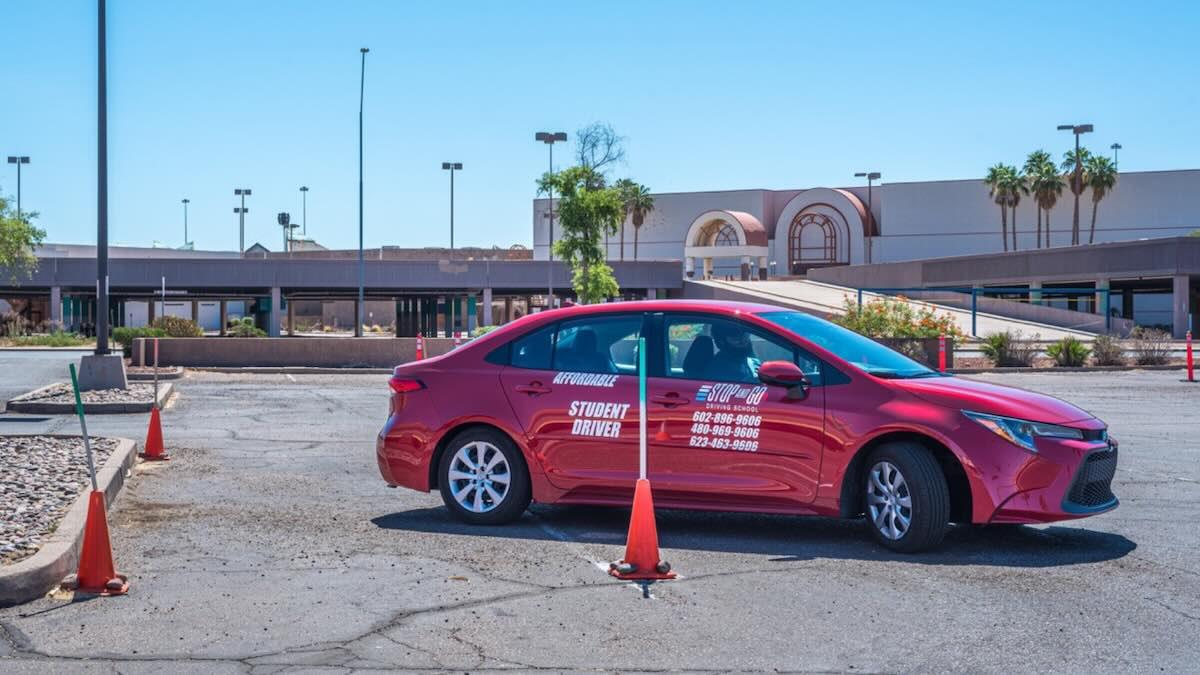
Behind-the-wheel instruction is a unique opportunity to learn in a controlled environment, where mistakes are teaching moments rather than costly errors. By staying engaged, practicing your defensive driving skills, and honing your situational awareness, you’ll build the skills you need to become a confident and competent driver.
Explore our driver’s education courses to learn from Stop and Go Driving School’s expert instructors, who are dedicated to helping you succeed. Sign up today and take the first step toward becoming a safe, capable driver!