Managing Driving Anxiety: How to Build Confidence Behind the Wheel
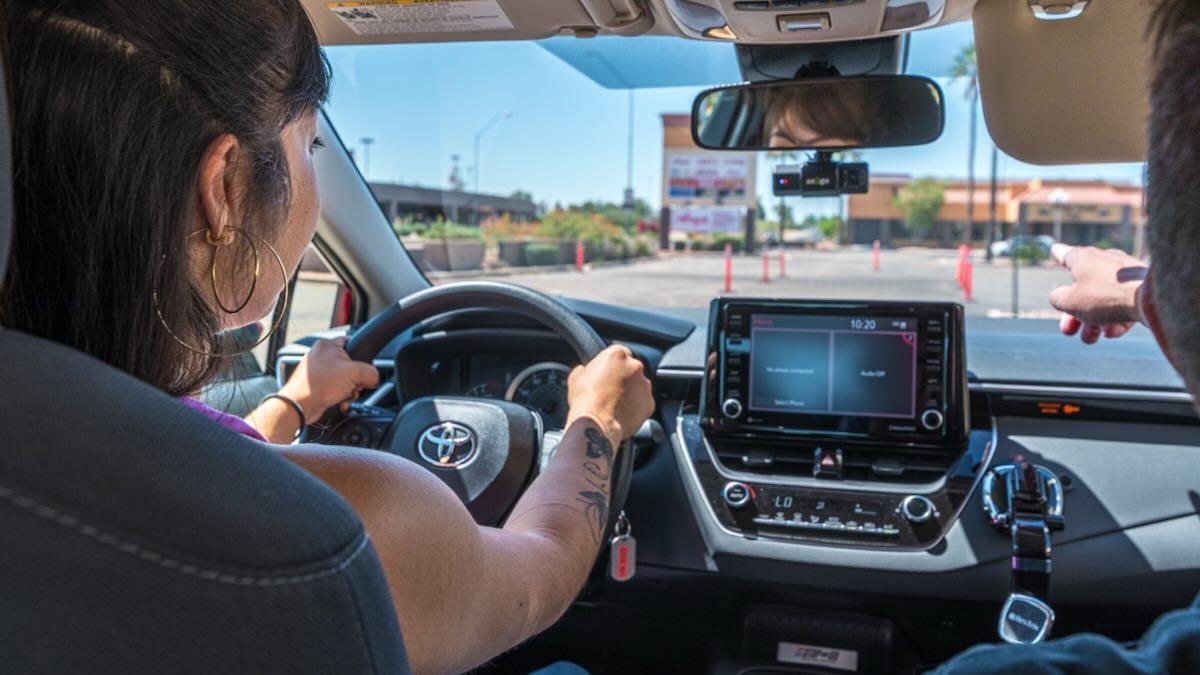
Does the thought of driving leave you feeling overwhelmed, or even fearful? You're not alone. Whether you're a brand-new driver or easing back onto the road after some time away, driving anxiety can pop up in all kinds of ways — racing thoughts, sweaty palms, tension in your shoulders, or that sinking feeling when you even think about getting behind the wheel.
At Stop and Go Driving School, we get it. And more importantly, we’re here to help. In this guide, we’ll explore where driving anxiety comes from, how it affects both mind and body, and what steps you can take to feel more confident and in control.
What Causes Driving Anxiety?
Driving anxiety, also known as amaxophobia, can stem from a wide range of triggers. Common causes include:
- Past car accidents or trauma
- Witnessing an accident
- Panic disorders or general anxiety
- Fear of getting lost or having a medical emergency while driving
Driving anxiety can be triggered by a range of fears, not just driving itself. For some, it’s the fear of losing control behind the wheel. Others may feel anxious as passengers, especially if they’re not with someone they trust. In more severe cases, just thinking about getting into a motor vehicle can bring on panic.
Who’s Most Affected?
Driving anxiety can affect anyone. However, certain people tend to be at greater risk:
- Teen drivers still learning the ropes
- Adults returning to driving after time away
- Anyone who’s had a tough experience in a motor vehicle, like being involved in a car accident
- People with an existing mental health condition, such as agoraphobia, generalized anxiety disorder (GAD), panic disorder, or post-traumatic stress disorder (PTSD)
For those who experience it, regardless of the cause, driving anxiety often shows up not just in the mind, but in the body as well.
How Anxiety Affects the Body
Driving anxiety often comes with intense physical symptoms. When your brain perceives driving as a threat, it can trigger the body’s “fight or flight” response, releasing stress hormones like adrenaline and cortisol. This can lead to:
These conditions can affect your visibility, depth perception, and reaction time, making it important to stay alert, plan ahead, and adjust your driving to suit nighttime conditions.
- Rapid heartbeat or palpitations
- Shortness of breath
- Muscle tension (especially in the neck and shoulders)
- Excessive perspiration
- Dizziness or lightheadedness
- Nausea or upset stomach
The key is to recognize that these are natural stress responses — not signs that you're unsafe or incapab.le. With the right support, many drivers find that these symptoms decrease significantly as they build experience and confidence.
Tips to Manage Anxiety Behind the Wheel
Here’s the good news: driving anxiety is something you can manage. You might not be able to control the entire road, but you can control how you prepare, react, and build up your comfort level.
Try these confidence-boosting steps:
1. Start small. Keep it consistent.
Stick to quiet, familiar roads at first. Even a short, stress-free drive helps build a positive foundation.
2. Use calming techniques.
Try out some breathing techniques, play soothing music, or use progressive muscle relaxation to release tension. Meditation and light exercise can also help regulate your cognition and mood before a drive.
3. Keep your space distraction-free.
Silence your phone, tidy your dashboard, and minimize noise. A peaceful environment supports focus and lowers stress.
4. Bring a supportive passenger.
Having a friend, parent, or professional instructor with you can lower feelings of fear and give you someone to lean on if anxiety starts to spike.
5. Acknowledge your wins.
Every drive you complete, even the short ones, reminds you that you can do this. Little by little, those wins help shift the way you think and feel about being behind the wheel.
6. Seek professional help
If your anxiety is intense or persistent, consider reaching out to a mental health professional. Some patients benefit from therapy, antidepressant medication, or even innovative approaches like virtual reality-based desensitization therapy.
Building Confidence Through Real-World Practice
One of the most effective ways to start overcoming driving anxiety is through guided practice with a skilled instructor. At Stop and Go Driving School, our experienced team is trained to support drivers who struggle with fear, discomfort, or past trauma involving a motor vehicle.

Our Driver’s Education programs and in-car lessons offer:
- Step-by-step practice in a supportive environment
- Stress-reducing strategies and focus techniques
- Real-time guidance with plenty of encouragement
We tailor every lesson to your pace and comfort level. Whether you need help with the basics or want to tackle the highway, we’re here to help you grow — one mile at a time.
You’re Not Alone, and You’re Not Stuck
Driving anxiety is incredibly common, and it doesn’t have to hold you back. With the right support, tools, and practice, it’s possible to build real confidence behind the wheel.
We’re here when you’re ready. Explore our full list of courses, and take that first step with Stop and Go Driving School.