How to Learn to Drive: A Beginner’s Step-by-Step Guide
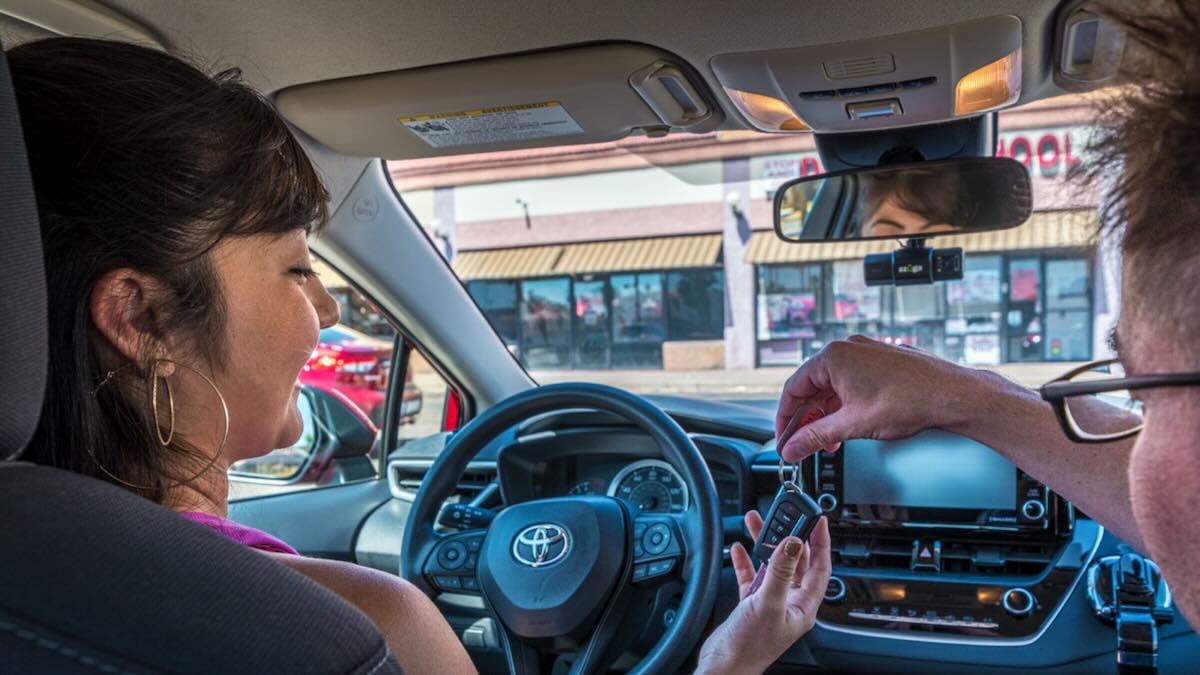
Learning to drive is an exciting milestone that opens the door to freedom, independence, and even new career opportunities. But let’s be honest. Getting behind the wheel for the first time can feel downright nerve-wracking. How do you handle merges? What do all those road signs mean?
From understanding the rules of the road and basic maneuvers to taking your first drive on the freeway, there’s a lot to take in. This guide is here to help with a simple breakdown of what you need to know before and during your journey to becoming a confident driver.
Step 1: Get Ready to Learn
If you already have your learner’s permit, congratulations! It’s time to take the next step by getting some in-car training under your belt.
-
Sign up for driver’s ed: While Arizona doesn’t require professional driver’s education to take your license test, it’s a good idea to enroll in a course. You’ll learn essential rules and defensive driving strategies to set you up for a lifetime of safe driving.
-
Schedule behind-the-wheel lessons: A structured learning plan with a qualified instructor ensures you’ll practice the correct techniques from day one.
-
Set goals and expectations: What do you want to accomplish during each lesson? Setting small, achievable goals keeps you focused and motivated.
Step 2: Get to Know Your Vehicle
Whether you choose to practice driving with a parent, guardian, or professional instructor, spend some time getting comfortable with the car’s controls before you hit the road. Knowing exactly how your vehicle works will help you feel more confident.
Key Controls to Familiarize Yourself With:
-
Steering wheel: Hold it at the 9 and 3 o’clock position for the best balance and maneuverability.
-
Pedals: In an automatic car, your right foot controls both the accelerator (gas) and the brake. Never use your left foot for braking unless you’re learning on a manual transmission, where the left foot controls the clutch.
-
Dashboard and gauges: Familiarize yourself with the speedometer, fuel gauge, and warning lights. Keep an eye on these during your drive to stay within speed limits and monitor your fuel level.
-
Mirrors and blind spots: Adjust your side mirrors so they show the road clearly, with just a small portion of your own car visible. The rearview mirror should frame the entire back windshield without you needing to move your head.
-
Turn signals and headlights: Locate these controls and practice using them. Signaling is crucial for safe driving as it communicates your intentions to other drivers.
Step 3: Learn Road Rules & Signs
Road signs, traffic signals, and right-of-way rules are the foundation of safe driving. Even after you’ve passed your learner’s permit test, take some time to brush up on your state driver’s handbook. Make sure you know:
- Speed limits for different types of roads, like school zones.
-
Right-of-way rules at intersections, roundabouts, and pedestrian crossings.
-
Lane markings and what they mean for passing or turning.
-
Common warning signs like curves, bumps, and animal crossings.
Step 4: Master the Basics
Once you’re comfortable with inside the car, it’s time to start practicing! Begin in a quiet, open area like an empty parking lot or a low-traffic neighborhood.
-
Starting and stopping smoothly: Gently press the accelerator to get moving. Then, practice applying gradual pressure to the brake to come to a smooth, controlled stop.
-
Steering and turning: Keep both hands on the wheel, look in the direction you want to go, and steer gently. Abrupt turns can cause you to lose control.
-
Braking and gears: In an automatic car, shifting gears is simpler, but be sure you’re moving from “Park” to “Drive” or “Reverse” correctly.
Step 5: Practice in Different Conditions
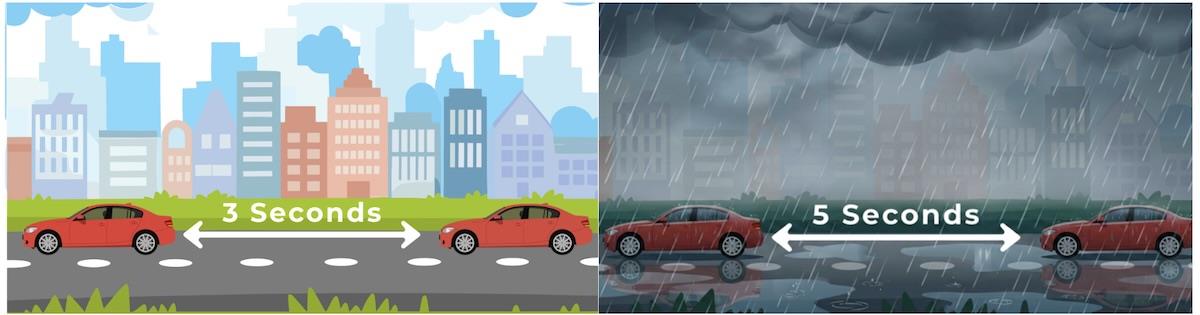
To become a well-rounded driver, you need exposure to a variety of driving conditions. Once you’re comfortable in light traffic and fair weather, gradually challenge yourself with:
-
Night driving: Visibility is reduced at night, so practice using your headlights correctly and keeping a safe following distance.
-
Rain or snow: Learn how to handle reduced traction and longer stopping distances.
-
Highways and freeways: Merging and changing lanes at higher speeds requires confidence and quick decision-making.
Gradually increasing your exposure to different environments will help you become a versatile and confident driver. Try driving at different times of day, navigating busy intersections, and handling unexpected situations like construction zones or detours. Consistent practice will help you develop the confidence needed to drive safely in various conditions.
Step 7: Prepare to Pass the Driving Test!
The driving test can feel intimidating, but proper preparation makes all the difference. Review your state’s test requirements and practice essential maneuvers, such as parallel parking, lane changes, and three-point turns. A mock test with a licensed driver can help reduce nerves and build confidence.
To make preparation simple, offer specialized training packages. Our Platinum and Gold packages provide in-car training with certified driving instructors for personalized guidance. Completing the program may also qualify you for an MVD road test waiver, allowing you to skip the official driving test and head straight to the MVD to get your driver’s license upon instructor approval.
Want to learn more about how Stop and Go can help you succeed? Visit our website or contact us today to explore our training programs and take the next step toward becoming a confident, licensed driver!