How to Avoid Road Rage: Staying Calm and Safe on the Road
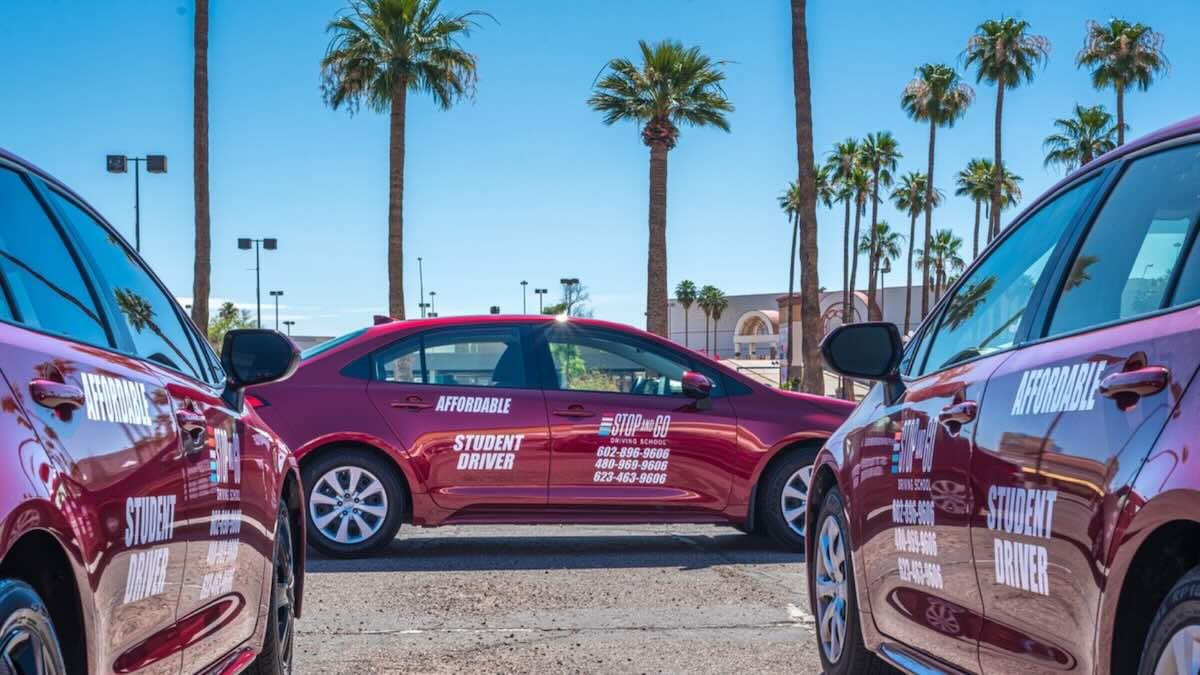
There's no doubt about it: The road can be stressful. Whether you're brand-new behind the wheel or have been driving for years, frustration is a familiar part of the driving experience.
Maybe when someone cuts you off without signaling, or traffic slows to a crawl when you’re already running late. Whatever the case, it’s natural to feel annoyed, but left unchecked, those emotions can grow into road rage, an extreme emotional reaction that can lead to hostile or even violent actions on the road. And while it doesn’t happen to everyone, it can happen to anyone if emotions take over behind the wheel.
At Stop and Go Driving School, we believe that safe driving means more than just knowing the rules of the road. It’s also about developing the confidence to stay calm when challenges arise. Our driver’s education courses are designed to build those skills, helping you handle stressful situations with ease. With that in mind, let’s break down what road rage is, how it escalates, and most importantly, how you can avoid it.
What Road Rage Is (and How It Starts)
According to the AAA Foundation for Traffic Safety, any unsafe driving behavior deliberately performed with disregard for safety can constitute aggressive driving. Traffic violations like tailgating, erratic lane changes, or illegal passing fall into this category, and research shows they play a role in up to 56% of fatal crashes.
In extreme cases, aggressive driving escalates into road rage, which goes beyond unsafe driving and becomes a violent criminal act with the intent to cause physical harm. A separate AAA Foundation study looked at more than 10,000 road rage incidents over seven years and found they led to at least 218 murders and more than 12,000 injuries.
While those extreme cases are rare, the seeds of road rage are more common than you might think. It usually begins with everyday triggers nearly every driver has experienced:
-
Heavy traffic or long delays
-
Feeling disrespected by another driver
-
Running late or being stressed before even getting in the car
-
Misinterpreting another driver’s behavior (a forgotten signal might not be intentional, but it can feel personal)
Once frustration sets in, it often shows up in small ways, like an impatient honk, inching too close to the car ahead, or muttering under your breath. These may seem harmless at first, but they’re early signs that irritation is starting to influence how you drive.
How Road Rage Escalates
The danger with road rage is that it rarely stays small. What begins as a simple honk or glare can quickly build into a cycle of reactions. An impatient tap of the horn might cause the other driver to make an obscene gesture. That, in turn, could trigger tailgating to “get back” at them.
When one driver reacts aggressively, it often provokes another aggressive response, and the situation keeps escalating. Each reaction raises tension, making it harder for anyone involved to back down. And these emotional flare-ups can have serious physical consequences. Aggressive behaviors like speeding, sudden lane changes, and running red lights are leading contributors to accidents. Once tempers flare, careful judgment is replaced by rash decisions that put everyone at risk.
Tips to Avoid Road Rage in Others
While you can’t control how other people drive, you can make choices that reduce the chances of sparking frustration in them. Many road rage incidents start when drivers feel disrespected or endangered, often by behavior that could have been avoided. Here are some ways to keep situations calm:
-
Don’t cut people off. Always signal and leave plenty of space when merging or changing lanes. Sudden moves can feel aggressive to other drivers.
-
Keep the left lane clear. If you’re driving slower than the flow of traffic, stay in the right lane so faster drivers can pass safely.
-
Avoid tailgating. Following too closely makes other drivers anxious and more likely to react aggressively. Maintain a safe following distance.
-
Use your signals consistently. Signaling turns and lane changes shows courtesy and prevents misunderstandings.
-
Respect the right of way. Yield when required, take turns at four-way stops, and don’t try to “beat” other drivers through intersections or roundabouts.
-
Be mindful of speed. Driving far under the speed limit can frustrate others just as much as speeding. Aim to match the safe flow of traffic.
By practicing these habits, you not only make the road safer but also reduce the chance of provoking another driver’s anger.
Tips to Avoid Road Rage in Yourself
Sometimes the hardest part is keeping your own emotions in check. Here’s how you can stop road rage before it starts:
-
Plan ahead. Running late makes every red light feel personal. Leave extra time so you’re not driving under pressure.
-
Set the right mood. Play music, an audiobook, or even a calming podcast. A positive environment makes it harder for anger to stick.
-
Breathe. When you feel irritation rising, take deep breaths. It helps reset your focus.
-
Remember, it’s not about you. That driver who cut you off? Chances are, they weren’t thinking about you at all. They likely just made a mistake.
-
Pull over if needed. If frustration becomes overwhelming, it’s okay to take a break. A few minutes off the road can prevent dangerous decisions.
How to De-Escalate in the Moment
Even with the best intentions, sometimes situations still feel tense. If you find yourself face-to-face with another driver’s frustration, try these steps:
-
Change the narrative. Instead of thinking, “That driver is targeting me,” reframe it as, “Maybe they’re having a bad day.”
-
Choose calm over confrontation. Remind yourself that arriving safely is the only real goal. Winning a moment of pride on the road isn’t worth the risk.
-
Don’t engage. If another driver honks, shouts, or makes gestures, resist the urge to react. Retaliating only fuels the fire.
-
Give them space. Slow down or let the other car pass. Creating distance is one of the simplest ways to defuse tension.
-
Focus on driving defensively. Keep your attention on the road, maintain safe following distances, and anticipate potential hazards so you can respond calmly instead of reacting impulsively.
-
Redirect your energy. If you’re tempted to shout or slam the steering wheel, shift your focus to steady breathing or scanning traffic conditions.
-
Signal for help if threatened. If you feel another driver is following or intimidating you, a quick honk can get the attention of nearby vehicles. Drive toward a safe, public location such as a police station or hospital.
-
Call authorities when necessary. If you feel genuinely threatened or see another driver endangering others, don’t hesitate to contact local law enforcement.
Developing Long-Term Patience Behind the Wheel
Avoiding road rage doesn’t come down to a single choice; it’s something that develops through consistent habits. The more you prepare yourself mentally before driving, the easier it becomes to stay calm when the unexpected happens.
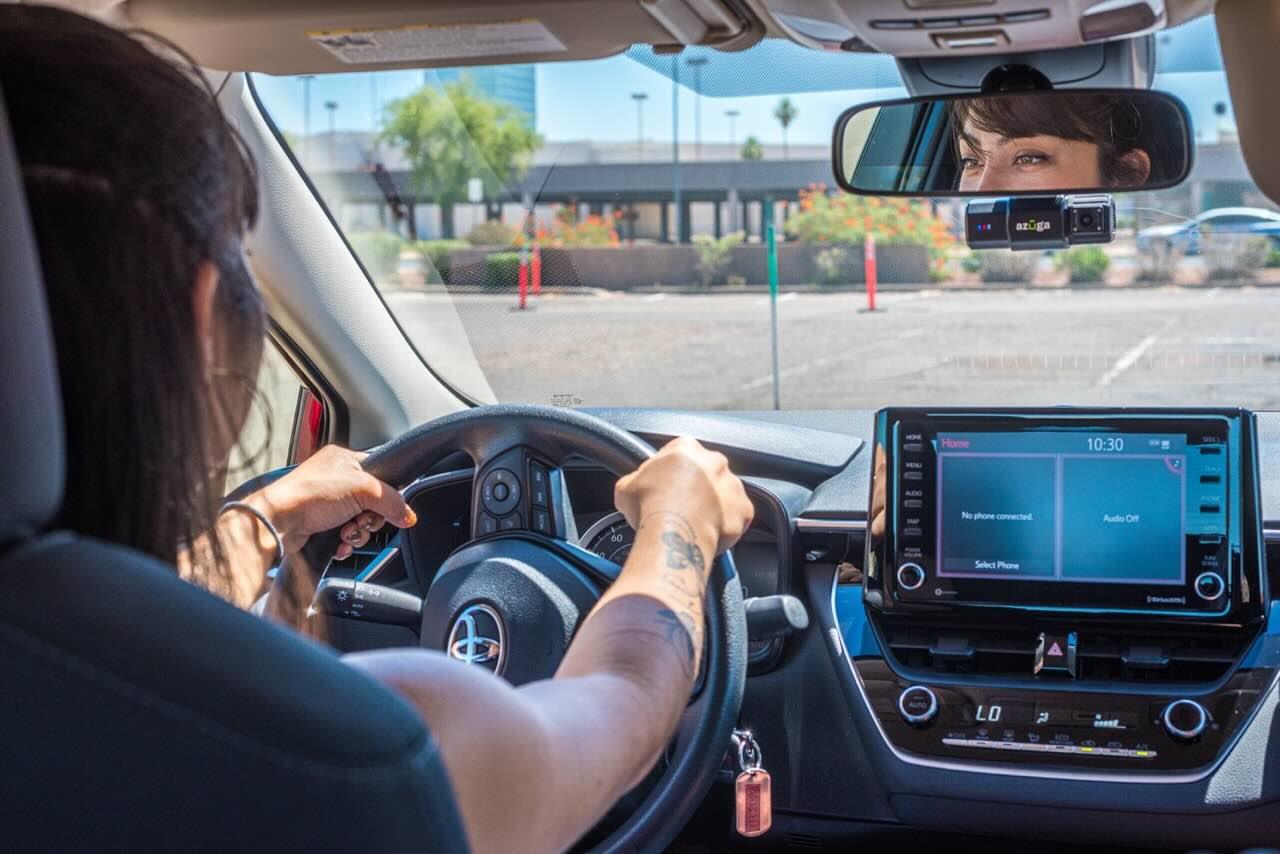
Here are a few ways to build those habits over time:
-
Check your mindset before you start the car. If you’re already upset or stressed, take a deep breath (or even a short break) before hitting the road.
-
Practice patience daily. Even letting one driver merge ahead of you without reacting negatively helps reinforce the habit of staying calm.
-
Reflect after driving. If something bothered you on the road, think about how you responded and what you could do differently next time.
For some drivers, structured learning can make a big difference. A defensive driving class offers strategies to anticipate hazards, manage stress, and stay focused, skills that make it easier to keep calm when tensions rise on the road.
Master the Road — Even When It Gets Stressful
On the road, stressful moments are common, but road rage doesn’t have to be. By staying patient, following the rules of the road, and knowing how to de-escalate tense situations, you can prevent frustration from turning into something more dangerous.
If you want to go beyond the basics and gain more confidence behind the wheel, consider enrolling in one of our driver’s education courses. At Stop and Go Driving School, our instructors prepare you for the real-world challenges of driving, so you can stay calm, focused, and safe no matter what the road brings.