Driving in Rain: Essential Safety Tips for Arizona Roads
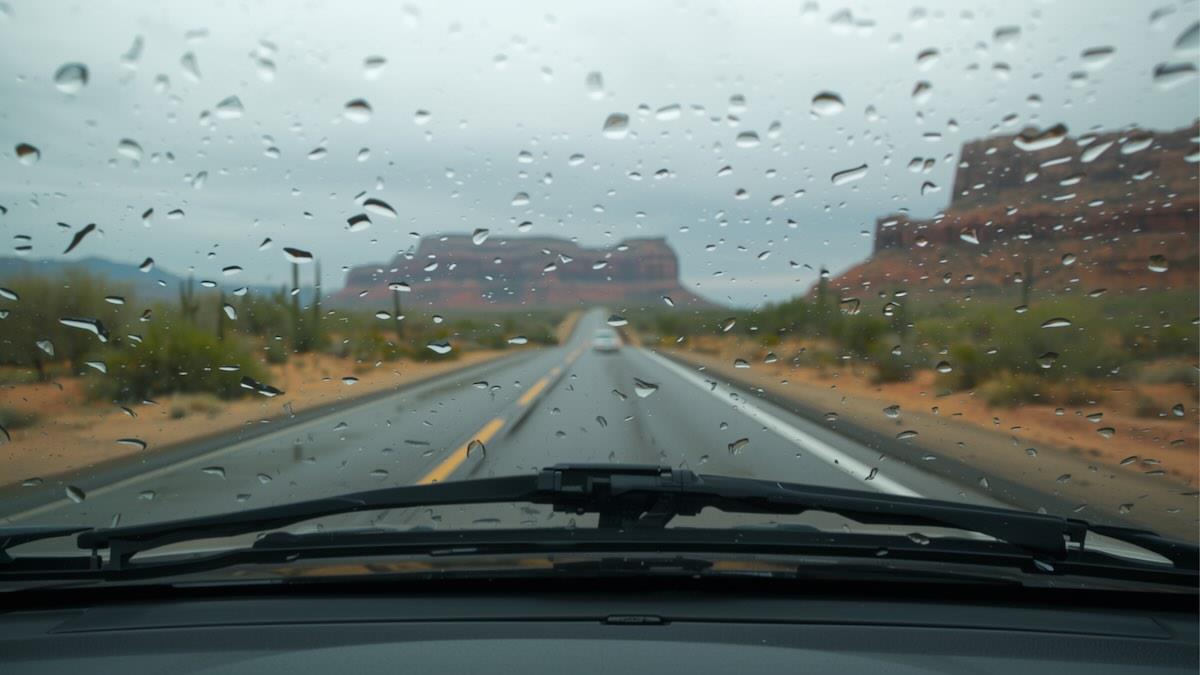
In Arizona, rain doesn’t come often, but when it does, it comes down hard. Oils rise to the surface, roads flood quickly, and visibility can drop in seconds. Because storms are infrequent, many drivers simply aren’t ready for how dramatically conditions change.
Our driver’s education courses teach the adjustments and decision-making skills drivers need when weather conditions change unexpectedly. And in this guide, we’ll walk through a few of those principles to help you handle rainy roads with more confidence.
Before You Go: Prepare for Wet Conditions
Driving safely in the rain starts before you ever put the car in gear. Taking a few smart precautions can help keep you safer and more in control when the weather turns.
1. Check Your Wipers and Lights
Make sure your windshield wipers are in good condition and your headlights, taillights, and brake lights are all working properly. Visibility is one of your biggest safety tools in rainy weather, for both you and other drivers.
2. Inspect Your Tires
Good tire tread helps channel water away from the tire, reducing your risk of hydroplaning. Worn tires are dangerous in wet conditions, especially on highways or at higher speeds.
3. Plan for Extra Time
Rain means slower traffic, longer braking distances, and potential delays. Leave early and give yourself time to drive cautiously. Rushing in the rain is never worth it.
On the Road: Smart Rain-Driving Habits
Once you’re driving, your focus should shift to maintaining control, adjusting your speed, and creating space.
1. Slow Down
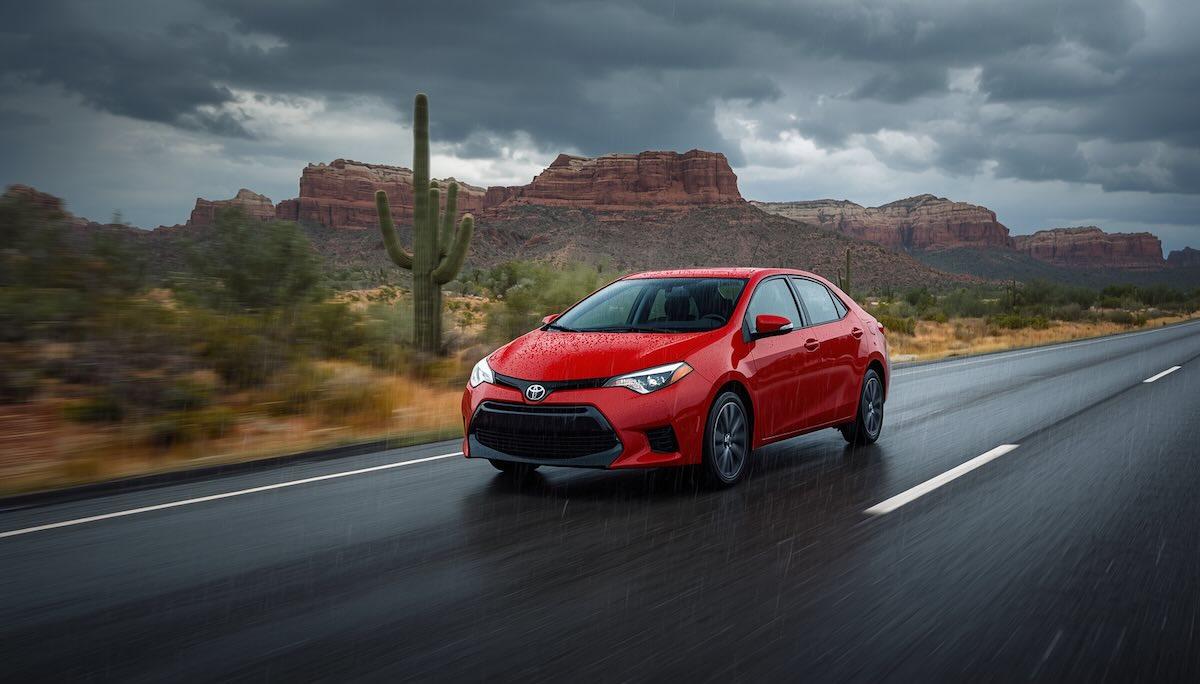
Higher speeds make it harder to stay in control on wet pavement. Since rain cuts your traction and makes turning or braking more unpredictable, easing off the gas is one of the easiest ways to stay safe. A common rule of thumb is to reduce your speed by about one-third in wet conditions; however, trust your judgment and adjust to the conditions around you.
2. Increase Your Following Distance
In dry conditions, the three-second rule helps maintain a safe space between you and the car ahead. In the rain, double it to six seconds. That extra time gives you more room to react if the driver in front of you brakes unexpectedly or starts to slide.
3. Avoid Sudden Movements
Smooth steering, braking, and accelerating are key to staying in control. Jerky movements can cause your tires to lose grip, especially on slick surfaces where traction is already limited. Keeping your inputs steady helps your car maintain balance and respond more predictably to every turn or stop.
4. Turn on Your Headlights
Headlights are required in rain or limited visibility, and many states mandate them whenever wipers are in use. Either way, it’s a smart habit that makes it easier to see on the road. Avoid using high beams, which can reflect off raindrops and make it harder to see.
When to Pull Over (and How to Do It Safely)
Sometimes, the safest choice is to stop driving altogether. But knowing when and how to do it matters.
When to Pull Over
Pull off the road if:
-
Rain is so heavy you can’t see the edges of your lane or the car in front of you.
-
Hydroplaning is frequent or uncontrollable.
-
Flash flooding or lightning makes conditions unpredictable.
-
Traffic signals are out due to power outages and cross-traffic becomes hard to gauge.
If you can’t see, stop driving as soon as possible. Find a safe, level place to pull over, such as a rest stop, parking lot, or wide shoulder away from moving traffic.
What to Do Once You’ve Stopped
-
Turn on your hazard lights to alert other drivers.
-
Keep your headlights on low beam if visibility is poor.
-
Stay inside your vehicle until the rain lightens up. It’s safer than standing near traffic.
-
If you’re on a highway shoulder, pull as far off as possible and avoid opening your driver-side door.
Flooding and Standing Water: Know the Risks
Flooding is one of the most dangerous driving conditions — and one of the easiest to avoid with a little awareness.
1. When You Approach Standing Water
If you see water across the road, slow down and assess the situation before crossing.
-
Never drive through water if you can’t see the pavement. Even a few inches can conceal potholes, debris, or washed-out asphalt.
-
Rule of thumb: If you can’t see the road markings, turn around.
-
Just six inches of water can reach the bottom of most cars, a foot can float smaller vehicles, and two feet can carry away nearly anything.
2. How to Avoid Getting Stuck
Many flood-related rescues occur when drivers misjudge the depth of the water or the force of the current.
-
Turn around early. Don’t assume the road is safe just because another vehicle made it through; conditions change fast.
-
Stick to higher ground. Avoid dips, washes, and low-lying intersections where water collects.
-
Pay attention to road signs and barricades. They mark areas that are already unsafe, even if the water looks shallow.
-
If you determine it’s safe to continue, slow your approach. Entering water quickly creates a wave that can flood your engine or push you off balance.
3. Flash Floods and Blocked Roads
Flash floods can appear within minutes, especially in low-lying or construction areas with poor drainage. Barricades and cones are there for your protection; never drive around them.
The National Weather Service’s “Turn Around, Don’t Drown” campaign is a powerful reminder: no destination is worth driving through floodwaters. When in doubt, wait it out or find another route.
If the Lights Go Out: Handling Power Outages While Driving
Rainstorms can knock out power, leaving traffic lights dark. Treat every unlit intersection as a four-way stop:
-
Come to a complete stop.
-
Yield to the driver who arrived first.
-
If two vehicles arrive at the same time, the vehicle on the right goes first.
-
When turning left, yield to oncoming traffic.
-
Proceed slowly and make eye contact with other drivers when possible to ensure everyone understands who is going next.
Patience and communication go a long way when signals are down.
Driving in Arizona’s Monsoon Season: What Makes It Different
If you drive in Arizona, rain comes with its own set of challenges, especially during monsoon season. The sudden, intense storms that sweep across the desert can turn dry washes and low-lying streets into dangerous flood zones in minutes.
1. Expect Sudden Downpours
Monsoon storms can move in fast, often during late afternoon or evening. If you notice dark clouds building or feel strong winds and dust, be ready for heavy rain to follow and avoid heading into low-lying areas.
2. Know the ‘Stupid Motorist Law’
Arizona takes flood safety seriously. Under the Stupid Motorist Law (ARS §28-910), drivers who ignore barricades or warning signs and get stuck in a flooded area can be held financially responsible for the cost of their rescue. Emergency responses can cost hundreds or even thousands of dollars, on top of putting rescuers at risk.
In short: if the road is closed or barricaded, it’s closed for a reason. Don’t risk it.
3. Stay Patient
Monsoon rain may pass quickly, but road conditions often don’t. Water can linger in dips and washes, and traffic signals may stay out long after the storm ends. If the rain becomes too heavy to see through, pull over and wait for visibility to improve. When the storm passes, re-enter the road cautiously and be ready to take alternate routes if flooding remains.
Strengthen Your Skills Before the Weather Turns
Rain changes driving conditions fast, and the safest choices are often the simplest ones: slow down, create space, avoid flooded areas, and pull over when visibility disappears. These habits protect you, your passengers, and everyone sharing the road when storms roll in.
If you want to feel more confident handling challenging weather, or just strengthen your overall driving skills, our driver’s education courses are built to help you become a steadier, safer driver in any condition. Register today and keep building the habits that make a difference when it matters most.